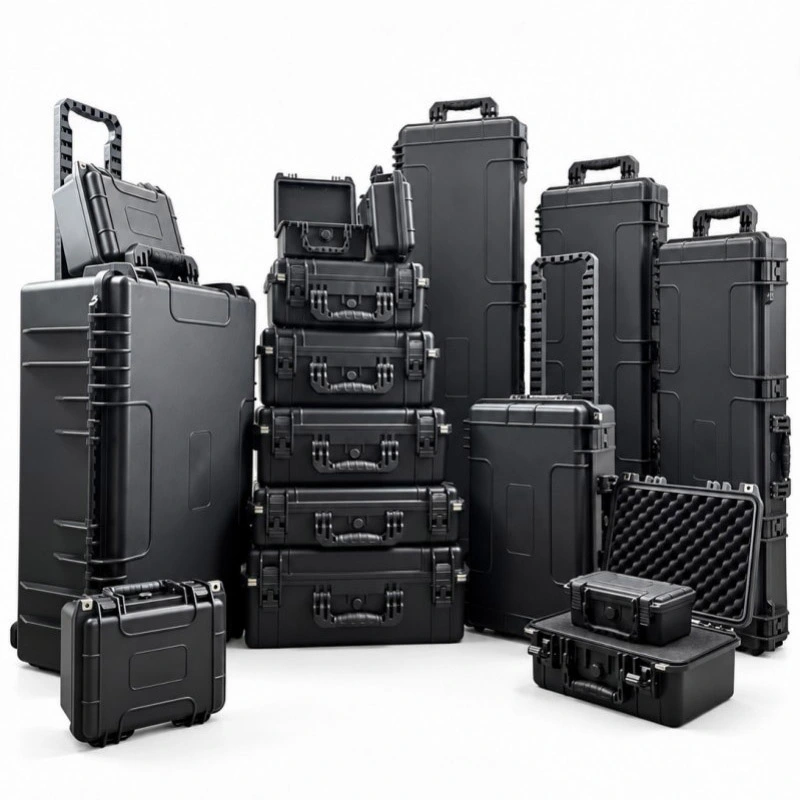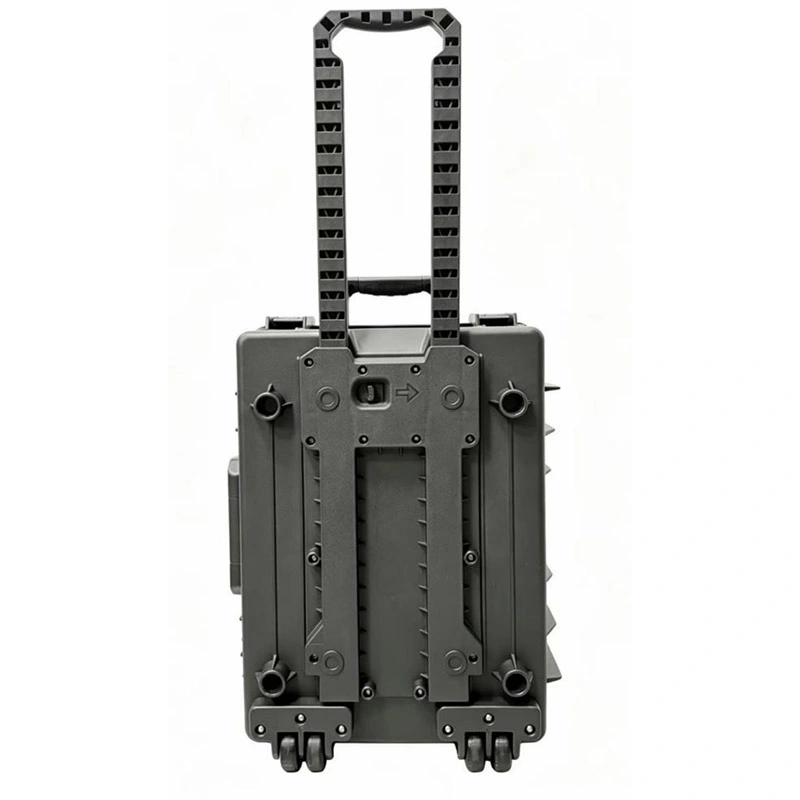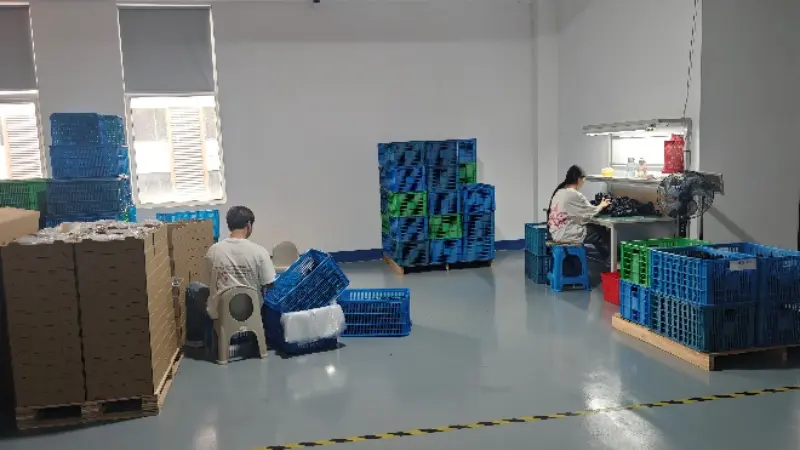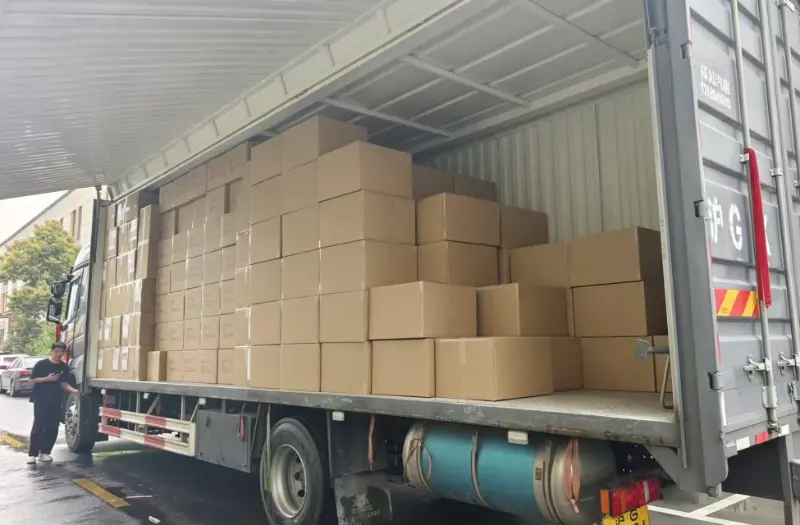

Marine operations expose valuable equipment to continuous salt spray, high humidity, water exposure, and mechanical impacts. WEISHUO, a professional protective hard case manufacturer, develops the Anti salt spray corrosion marine operation hard box to address these demanding conditions. By combining corrosion-resistant materials, upgraded metal hardware, and seawater-resistant sealing components, this specialized protective case helps safeguard sensitive instruments and operational equipment in challenging marine environments. For offshore contractors, marine engineers, and industrial equipment suppliers, selecting the right protective enclosure is essential for improving equipment reliability and reducing maintenance costs.
An anti salt spray corrosion marine operation hard box is designed to protect valuable equipment from the damaging effects of salt-laden air, moisture, and harsh offshore conditions. Unlike ordinary storage cases, marine-grade protective hard boxes require carefully selected enclosure materials, corrosion-resistant metal components, and durable sealing systems. This article explains how these protective features work, what buyers should consider when selecting a marine hard case, and how WEISHUO provides solutions for demanding outdoor and marine applications.

Marine environments are among the most demanding operating conditions for industrial equipment. Whether equipment is used on offshore platforms, research vessels, commercial ships, or coastal construction sites, exposure to salt and moisture creates persistent protection challenges.
Salt particles carried by sea air can settle on case surfaces, hinges, fasteners, and other exposed components. When combined with moisture and oxygen, these deposits accelerate corrosion, potentially affecting both the appearance and functionality of protective enclosures.
Several environmental factors make marine applications particularly challenging:
These conditions explain why standard storage cases are not always suitable for offshore and marine operations. A specialized Anti salt spray corrosion marine operation hard box provides a more appropriate protective solution by addressing corrosion risks alongside environmental exposure and physical protection.
Effective marine protection depends on more than simply using a waterproof-looking exterior. A reliable protective case must consider the entire enclosure system, including its structural material, metal accessories, joints, and sealing components.
One important approach is incorporating anti-salt-spray additives into the enclosure material. WEISHUO's marine operation hard box uses this material-oriented approach to improve resistance to salt-laden environments.
The enclosure material is the first protective barrier between the external marine environment and the equipment inside. Its formulation and manufacturing quality influence long-term durability, surface condition, and resistance to environmental exposure.
Metal accessories are often vulnerable points in conventional protective cases. Hinges, latches, screws, and fasteners can experience corrosion when repeatedly exposed to salt spray and moisture.
To address this problem, WEISHUO upgrades metal components using stainless steel or multilayer corrosion-resistant coatings. This design helps reduce rust formation and the risk of hardware becoming difficult to operate.
Sealing performance is another essential consideration. A protective case with a durable exterior can still be compromised if moisture enters through its joints or lid connection.
WEISHUO uses seawater-resistant sealing materials designed to maintain sealing integrity during prolonged marine exposure. The sealing system helps reduce moisture intrusion and provides an additional protective barrier for stored equipment.
Buyers should distinguish between resistance to salt spray, splash protection, and certified immersion protection. These are different performance requirements and should be verified separately according to the intended operating environment.
When evaluating a marine protective case, buyers should consider the complete protection system instead of focusing on one material specification. The following features are particularly important.
| Key Feature | Design Consideration | Practical Benefit |
|---|---|---|
| Corrosion-resistant enclosure material | Material formulation with anti-salt-spray additives | Helps resist deterioration in salt-laden environments |
| Metal hardware protection | Stainless steel or multilayer corrosion-resistant coatings | Reduces rust and hardware operating problems |
| Seawater-resistant seals | Durable sealing materials suitable for marine exposure | Helps limit moisture intrusion |
| Structural durability | Appropriate enclosure thickness and structural design | Supports equipment protection during handling |
| Secure closure system | Reliable hinges, latches, and fastening components | Helps keep the enclosure securely closed |
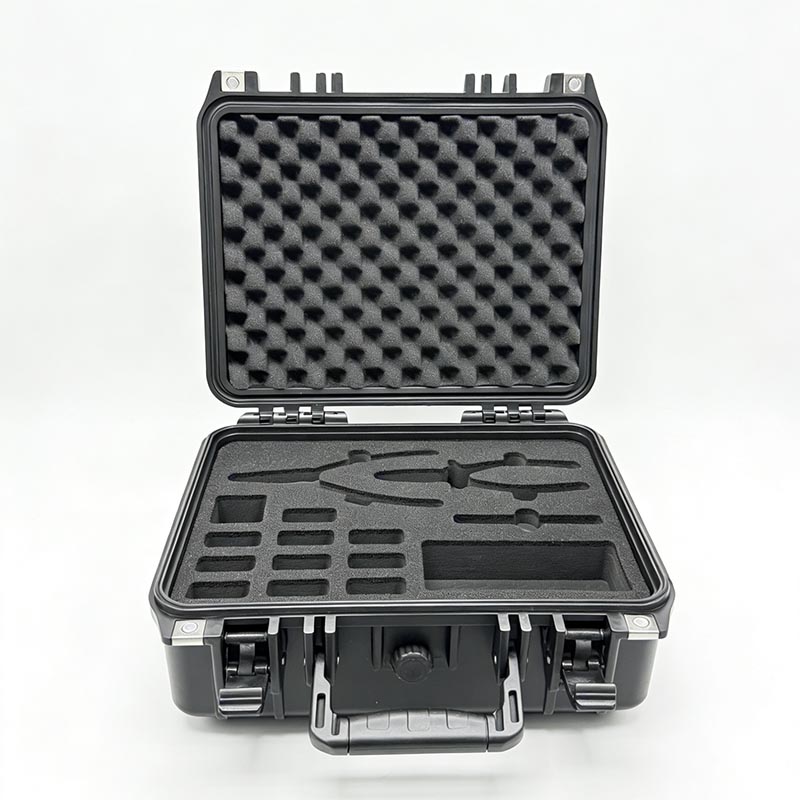
| Customizable interior | Foam inserts and equipment-specific compartments | Helps reduce movement and impact damage |
Corrosion resistance is only one part of marine equipment protection. A suitable hard box should also provide:
Combining these features creates a more comprehensive protective solution for equipment used in demanding marine operations.
An anti-salt-spray protective hard box can support a wide range of marine and coastal applications. Its primary function is to provide a more suitable storage and transportation environment for equipment exposed to corrosive outdoor conditions.
Offshore facilities rely on monitoring instruments, inspection equipment, communication devices, and maintenance tools. These assets frequently encounter salt spray and high humidity. Corrosion-resistant hard boxes help protect equipment during storage, transportation, and field deployment.
Ship maintenance teams need dependable storage solutions for measurement tools, repair accessories, and specialized instruments. Protective cases with corrosion-resistant hardware can help reduce maintenance issues associated with salt exposure.
Coastal construction sites often combine airborne salt, rain, dust, and frequent equipment handling. A specialized marine hard case can provide a more durable storage option for inspection tools and field equipment.
Marine researchers use sensitive instruments to collect environmental data and conduct underwater surveys. Protecting these instruments during transportation and temporary storage is important for maintaining operational readiness.
Emergency teams may need to transport communication equipment, navigation accessories, and specialized tools in unpredictable weather conditions. A properly selected protective hard box helps organize and safeguard essential equipment.
Not all hard cases are designed for the same environmental conditions. A general-purpose protective case may be sufficient for indoor storage or occasional transportation, but continuous exposure to salt-laden air requires additional material and component considerations.
| Comparison Criteria | Ordinary Protective Case | Marine Corrosion-Resistant Hard Box |
|---|---|---|
| Enclosure material | General-purpose material selection | Material formulation incorporating anti-salt-spray additives |
| Metal components | Standard hardware options | Stainless steel or corrosion-resistant coated components |
| Sealing materials | General-purpose sealing solutions | Seawater-resistant sealing materials |
| Target environment | General storage and transportation | Marine and coastal operating environments |
| Maintenance focus | General cleaning and inspection | Additional attention to salt deposits, hardware, and sealing condition |
The main difference is the level of attention given to corrosion-prone components and marine exposure. For offshore procurement projects, selecting a purpose-designed marine hard box can help reduce the risks associated with unsuitable protective storage.
Choosing a suitable protective enclosure requires a clear understanding of the equipment, environmental conditions, and expected service requirements. Before placing an order, procurement teams should evaluate the following factors.
Determine whether the case will be used in coastal storage, shipboard operations, offshore platforms, or frequent seawater splash conditions. Different exposure levels require different protection specifications.
Ask the manufacturer about enclosure material formulation, metal component materials, and corrosion-resistant surface treatments. Request supporting technical documentation when specific performance requirements apply.
Consider the actual moisture exposure. Salt spray resistance does not automatically mean that a case is suitable for continuous immersion. If a project requires a particular IP rating or immersion performance, request the relevant test reports and certification.
Measure the length, width, height, and weight of the equipment. Allow sufficient clearance for protective foam, cables, connectors, and accessories.
For specialized marine applications, customized interior layouts and enclosure configurations can improve storage efficiency and equipment organization.
Before confirming a supplier, buyers should also review:
Even a corrosion-resistant protective case requires proper maintenance. Regular inspection helps identify early signs of wear and keeps the enclosure in suitable operating condition.
Recommended maintenance practices include:
These straightforward practices can help maintain protective performance and reduce avoidable maintenance problems throughout the product's service life.
An Anti salt spray corrosion marine operation hard box is a specialized protective enclosure designed for equipment used in marine and coastal environments. It combines corrosion-resistant enclosure materials, protected metal hardware, and seawater-resistant sealing components to help reduce damage caused by salt spray and moisture.
It uses multiple protective measures. These may include anti-salt-spray additives in the enclosure material, stainless steel or multilayer corrosion-resistant coatings on metal accessories, and seawater-resistant sealing materials. Together, these features help reduce corrosion risks in marine environments.
Not necessarily. Salt spray resistance and waterproof performance are different properties. Actual waterproof capability depends on the enclosure structure, sealing design, and verified test results. Buyers requiring IP-rated or immersion protection should confirm the applicable specifications with the manufacturer.
Hinges, latches, screws, bolts, and other exposed fasteners deserve particular attention because they are frequently exposed to moisture and salt deposits. Stainless steel and suitable corrosion-resistant coatings are commonly used to improve their resistance to harsh marine conditions.
Customization requirements should be discussed with the manufacturer. Depending on the product configuration and project requirements, buyers can inquire about enclosure dimensions, interior foam arrangements, equipment compartments, and hardware options.
Buyers should request information about enclosure materials, hardware specifications, sealing materials, applicable environmental test results, customization options, production lead times, and quality inspection procedures. These details help determine whether the product matches the actual marine operating requirements.
WEISHUO focuses on protective hard box solutions for demanding outdoor environments. Its marine operation hard box incorporates anti-salt-spray material additives, corrosion-resistant metal components, and seawater-resistant sealing materials. These design considerations make it a practical option for customers seeking specialized protective cases for marine and coastal applications.
Marine environments create continuous challenges for protective equipment, particularly when salt spray, humidity, and mechanical handling occur together. Choosing an appropriate Anti salt spray corrosion marine operation hard box helps address these risks through corrosion-resistant materials, durable metal hardware, and seawater-resistant sealing components. For offshore operators, marine engineering contractors, and industrial equipment distributors, evaluating these design details is an important step toward reliable equipment protection.
WEISHUO is committed to developing protective hard box solutions for demanding operating environments. Whether you need a standard marine protective case or a customized enclosure for specialized equipment, our team can help you evaluate suitable material, hardware, and structural configurations. Explore our Anti Salt Spray Corrosion Marine Operation Hard Box to learn more about the product. Contact WEISHUO today to discuss your application requirements, request product details, and obtain a competitive quotation. Please contact us to find a dependable protective hard box solution for your marine operations.