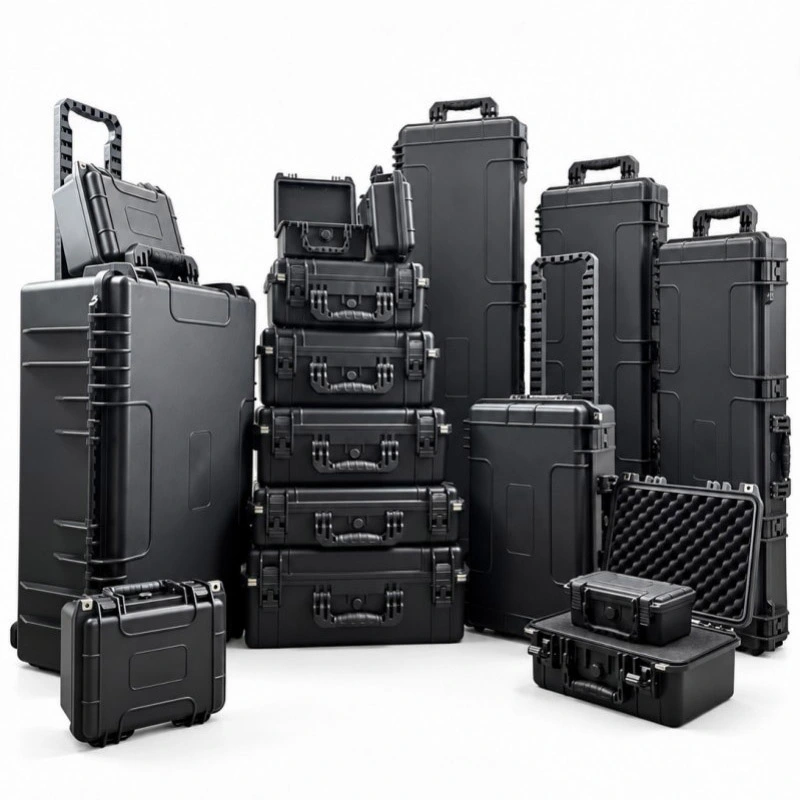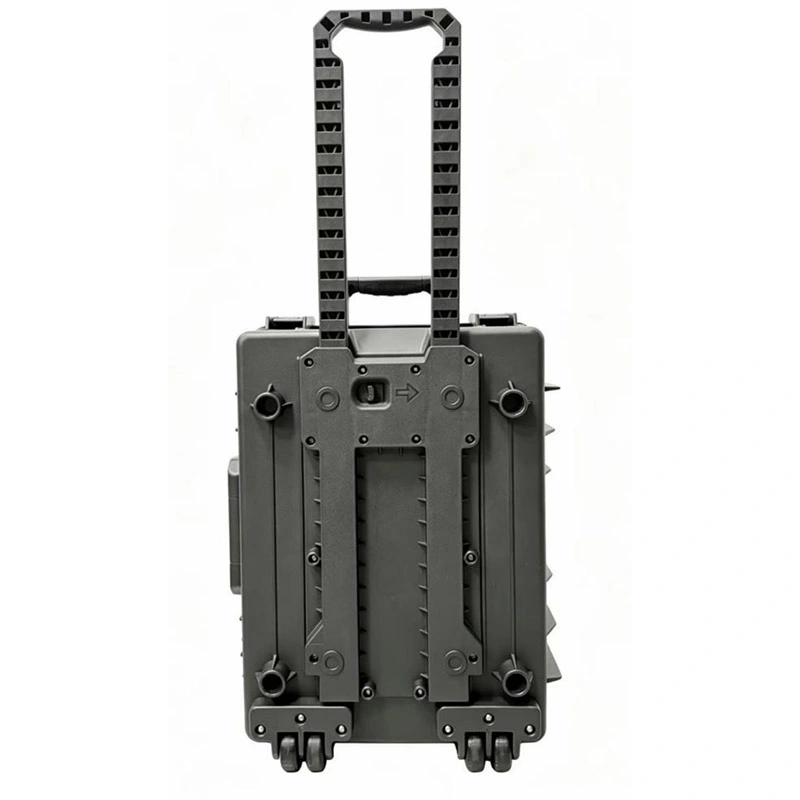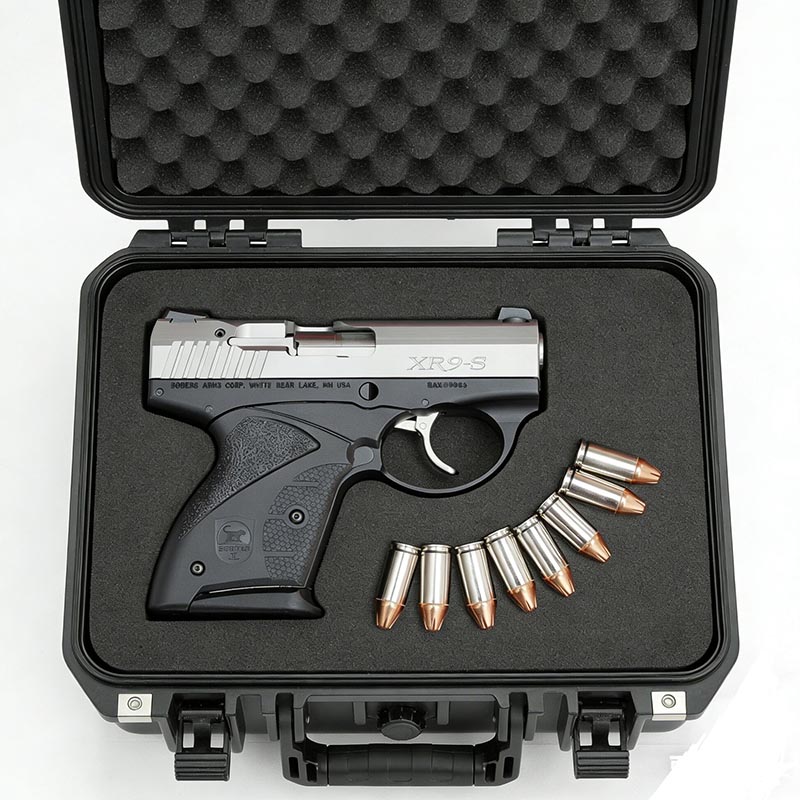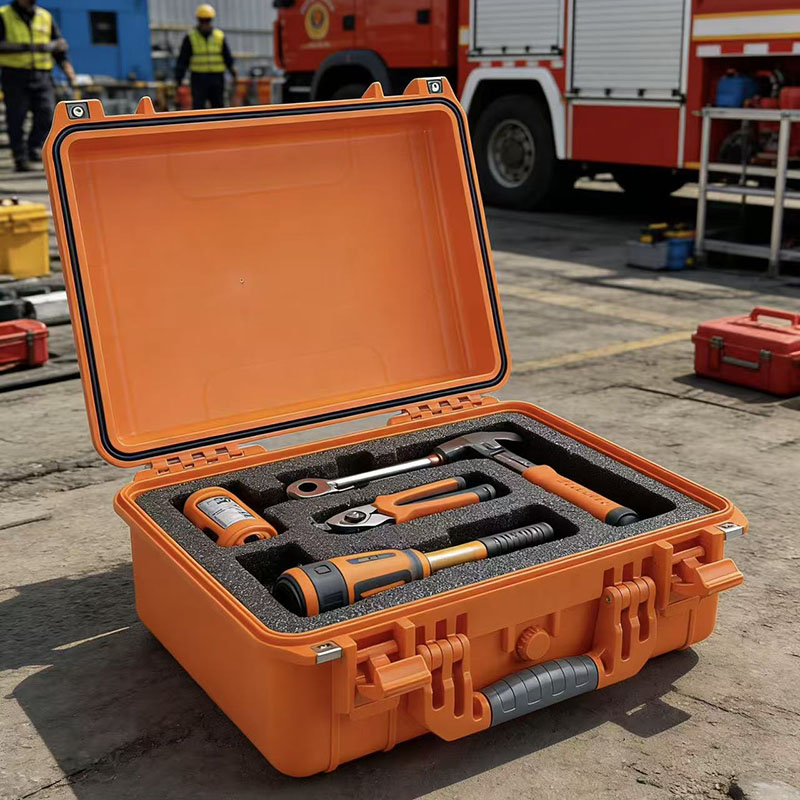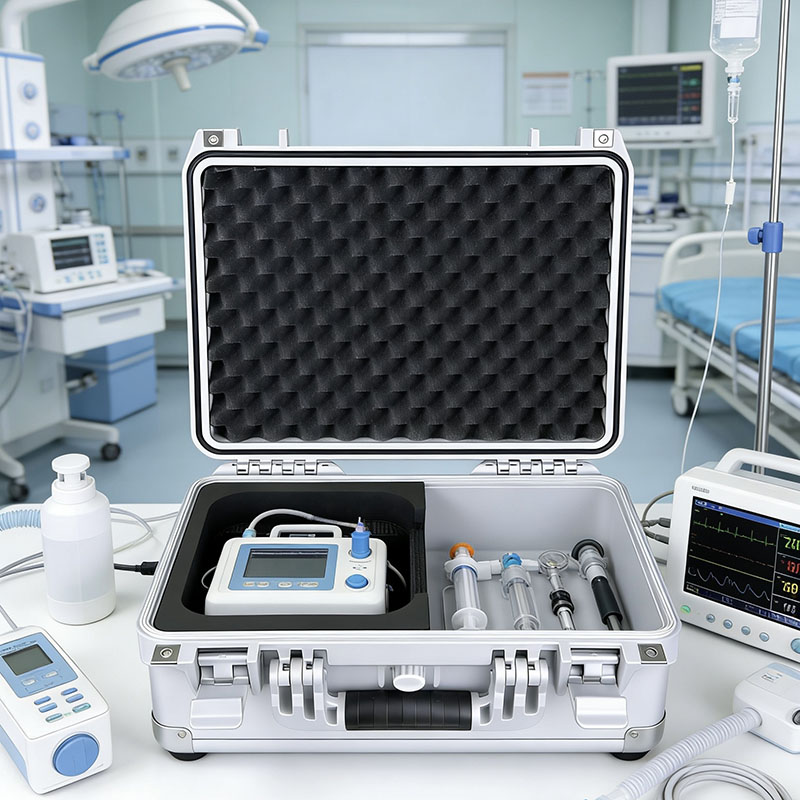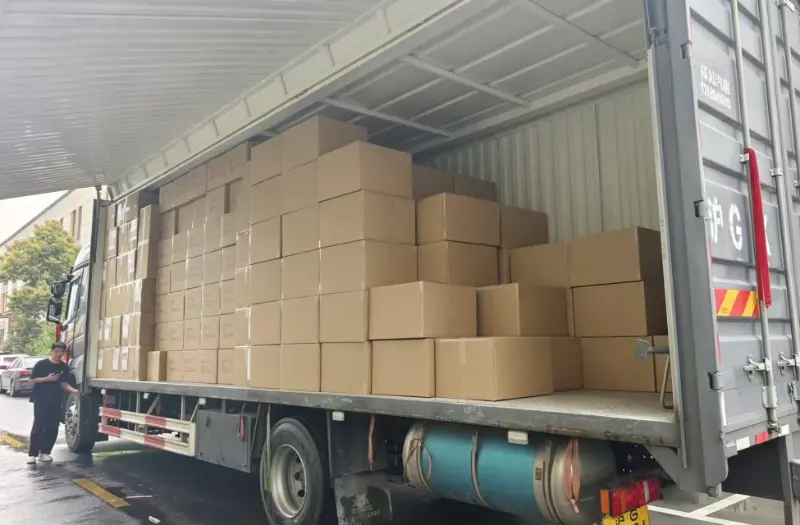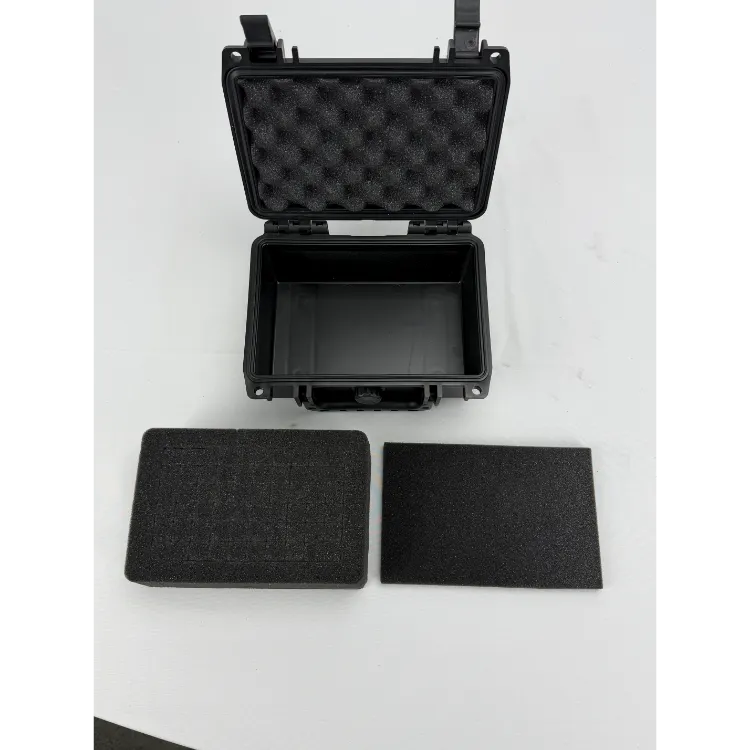

Plastic cases like Plastic Equipment Transport Case and Custom Plastic Protective Case are used as housings for handheld electronic devices, portable instruments, and compact control equipment. The housing design depends on the dimensions of internal components, required openings, fastening methods, and operating environment. Available designs may include different sizes, shapes, housing structures, and internal mounting features.
Ningbo Weishuo Molding and Plastic Products Co., Ltd. develops and manufactures plastic parts and molds. For handheld plastic case projects, the company can review product drawings, 3D models, material requirements, and assembly details to determine the mold structure and injection molding requirements.
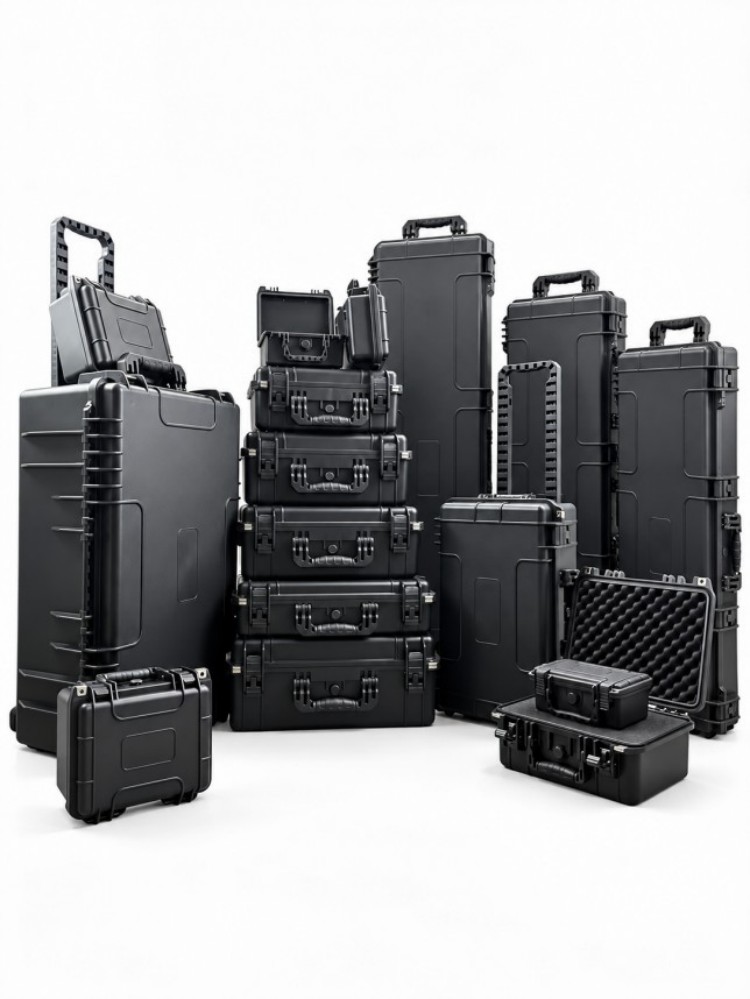
Handheld plastic cases accommodate electronic components while providing an outer structure for device assembly and operation. Their design varies according to the function and layout of the equipment.
Portable Electronic Devices: Housings for compact electronic products containing circuit boards, batteries, and connection interfaces.
Measurement Instruments: Cases with openings for displays, buttons, sensors, and test connections.
Handheld Controllers: Housings designed around control buttons, switches, cables, and internal electronic components.
Data Collection Devices: Enclosures with defined internal space for circuit boards, connectors, and other components.
Custom Electronic Equipment: Plastic housings developed to match the dimensions and structural requirements of specific devices.
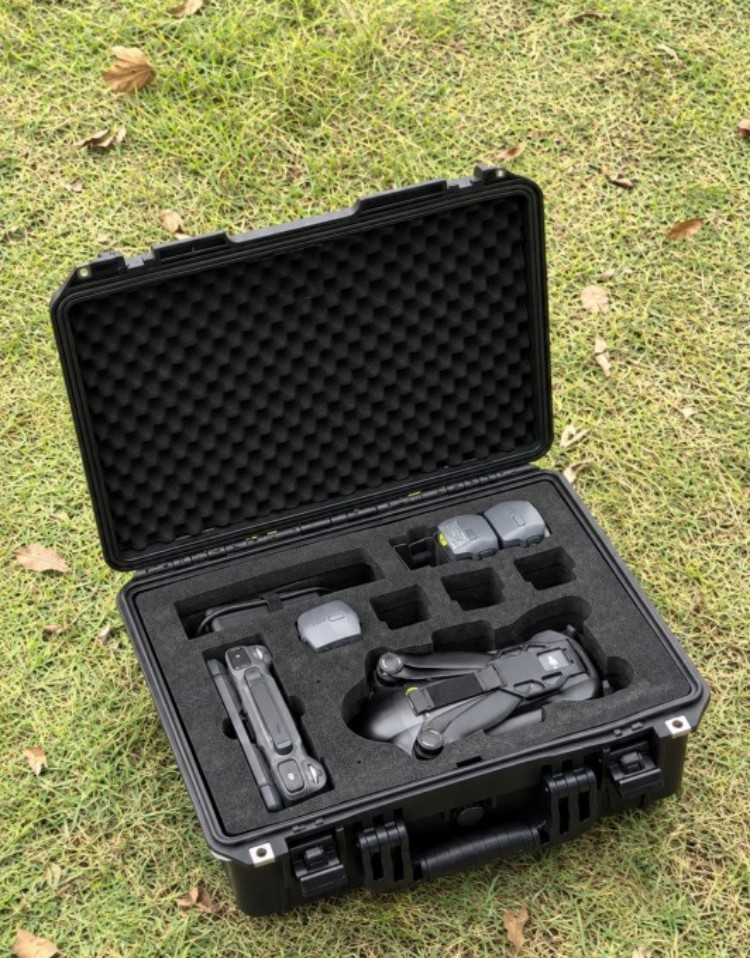
The material and structural design of a plastic case directly influence its durability, handling performance, and suitability for different equipment protection applications. At WEISHUO, our plastic protective cases are primarily manufactured using injection-molded polypropylene (PP), with housing structures developed to balance rigidity, weight, internal capacity, and practical usability.
Injection-Molded Polypropylene (PP) Housing
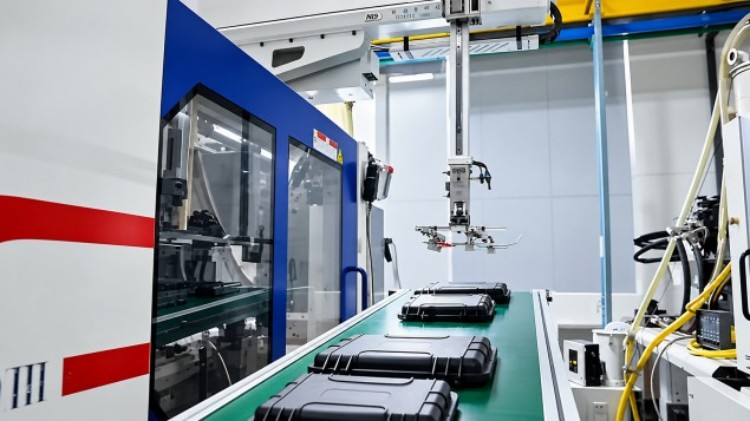
Polypropylene is widely used in protective case manufacturing because of its relatively low weight, toughness, and good moulding properties. Compared with ordinary thin-walled plastic storage containers, our protective hard cases feature rigid moulded housings designed for repeated handling, equipment storage, and transportation. The injection moulding process also allows functional details, such as reinforcing features and component mounting areas, to be incorporated into the case structure.
Housing Structure and Closure Design
A protective case's performance depends on more than its material. The design of the lid, base, hinges, latches, and sealing areas also contributes to its overall functionality. WEISHUO develops case structures with attention to how these components fit and operate together. Depending on the model, features may include reinforced structural areas, secure latching mechanisms, sealing gaskets, and pressure equalization valves.
For selected IP67-rated models, the lid and base work with the sealing system to provide dust and water protection under specified test conditions. The relevant protection specifications and test documentation should be confirmed for each case model.
Interior Structure and Foam Compatibility
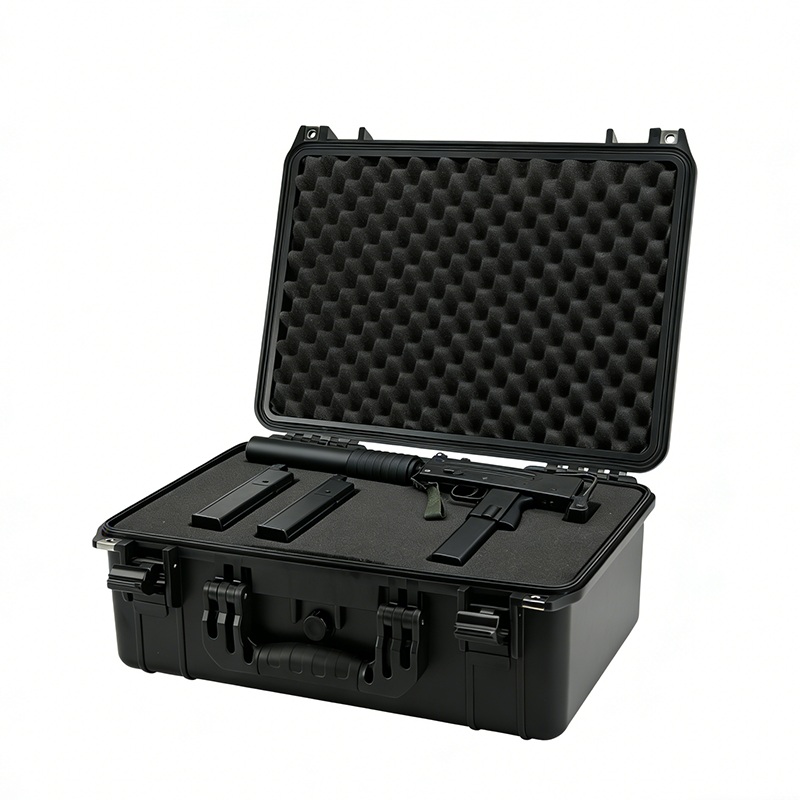
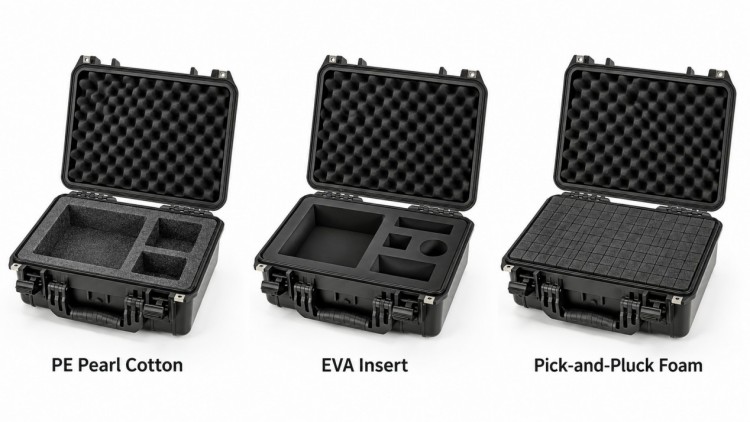
The internal housing dimensions determine how equipment and protective inserts can be arranged. WEISHUO offers different case depths and configurations to accommodate compact instruments, taller components, and larger equipment assemblies. Pick-and-pluck foam, custom-cut PE foam, and EVA foam inserts can be selected according to the equipment's shape, weight, and cushioning requirements.
With our in-house mould development and injection moulding capabilities, WEISHUO can also evaluate housing modifications or new structural designs for OEM/ODM projects when standard case models cannot meet specific equipment requirements.
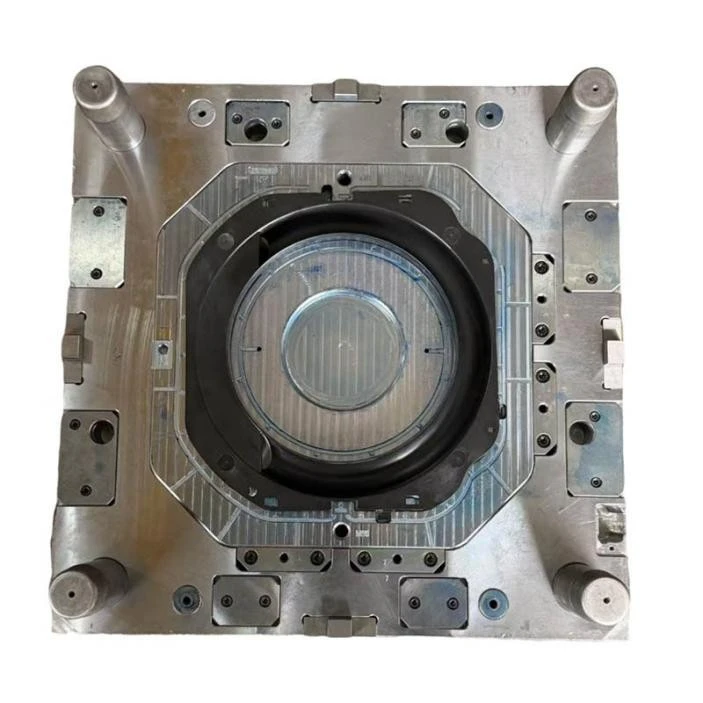
For custom plastic cases, mold design is based on the part geometry, material, wall thickness, draft angles, and required production conditions. The mold structure must also account for openings, mounting features, parting lines, and ejection.
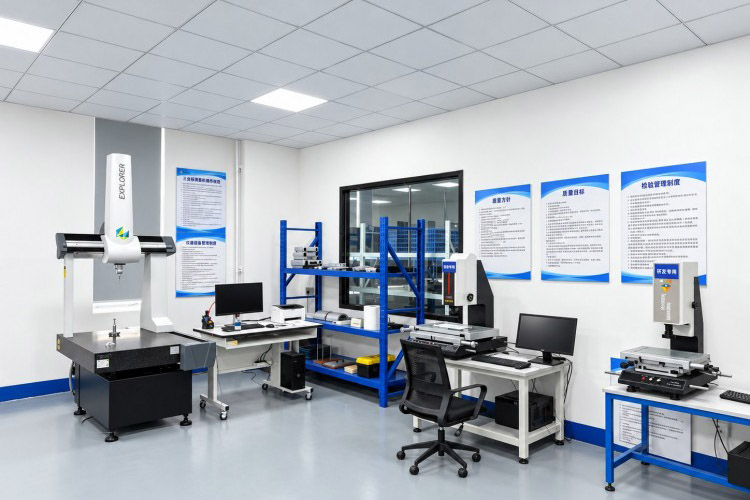
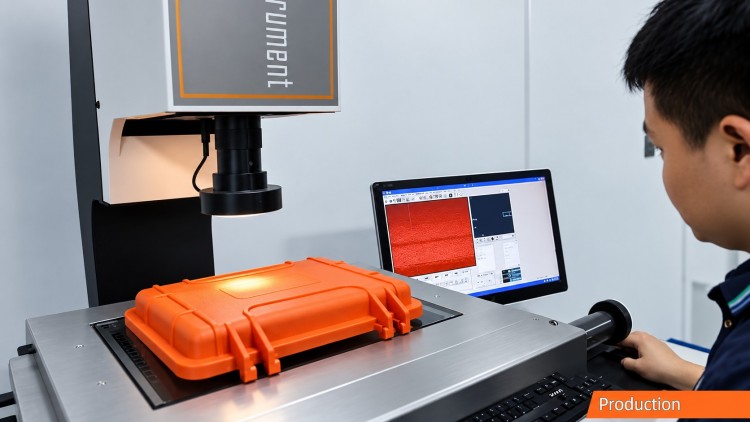
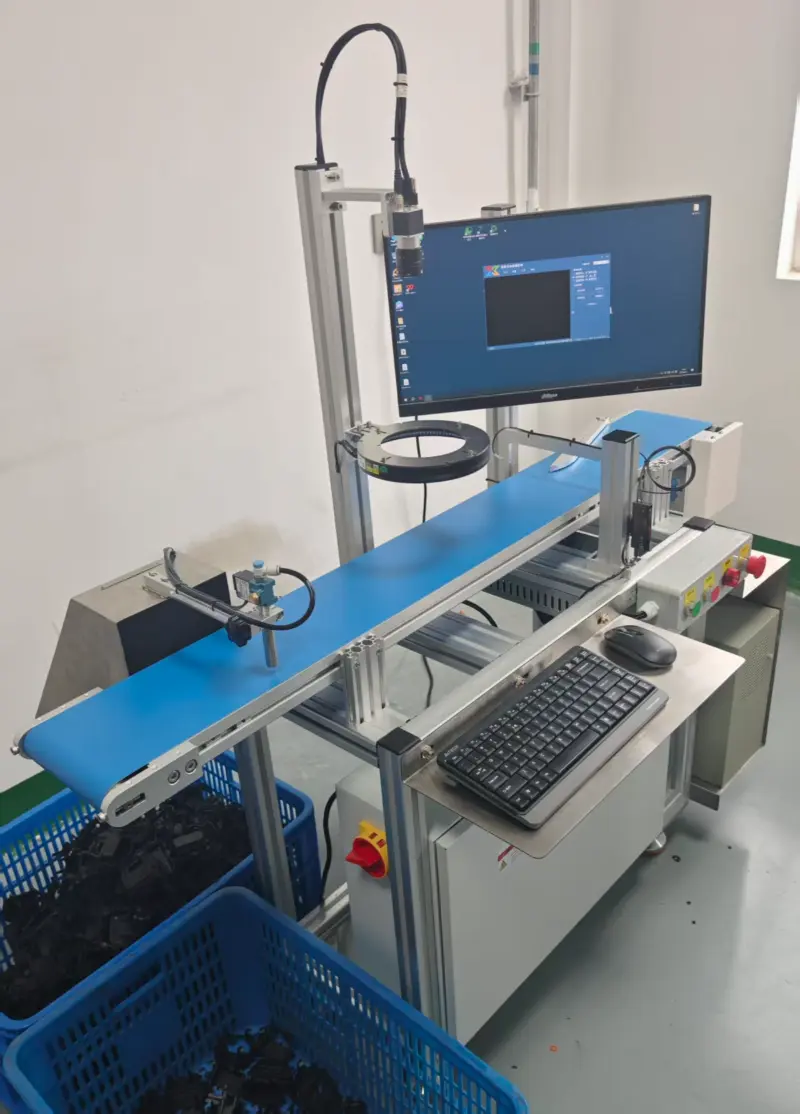
Injection molding conditions affect filling, shrinkage, warpage, and surface appearance. During mold trials, the molded parts can be checked for dimensional accuracy, flash, incomplete filling, visible defects, and assembly fit. Design or process adjustments depend on the issues identified during inspection.
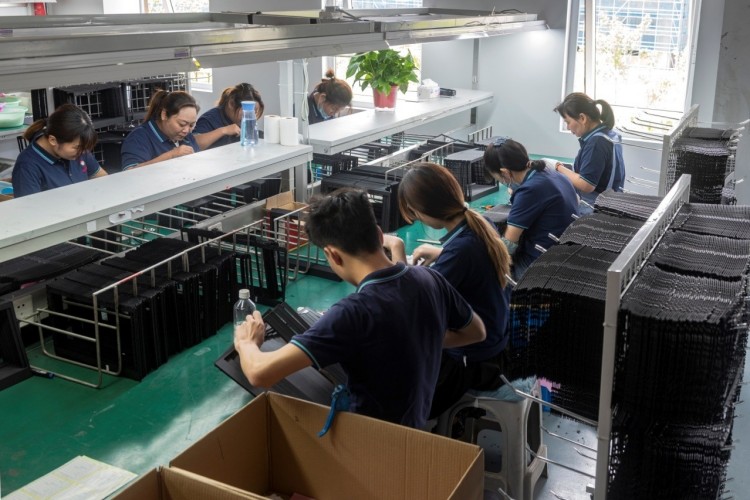
Ningbo Weishuo Molding and Plastic Products Co., Ltd., established in 2017, provides mold design, mold manufacturing, and injection molding services. The company operates a manufacturing facility covering more than 7,600 square meters. Project requirements can be reviewed using product drawings, 3D models, material specifications, and relevant assembly information.