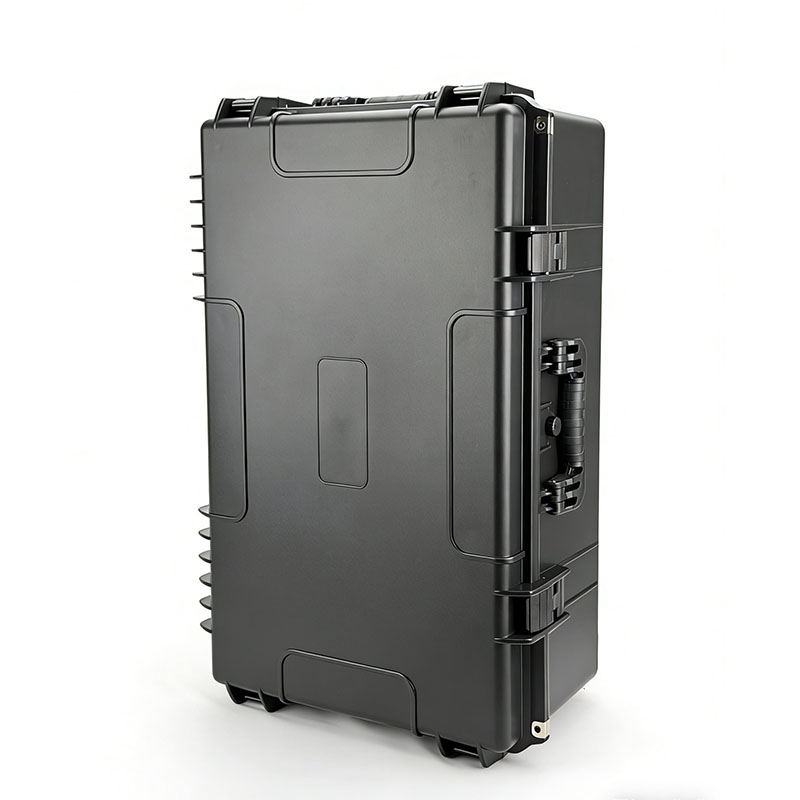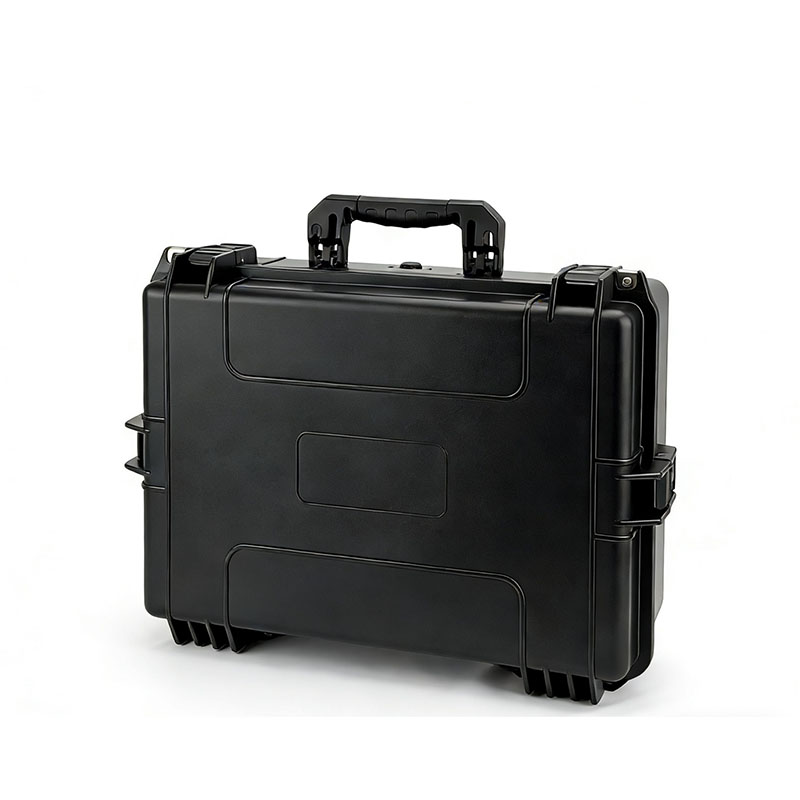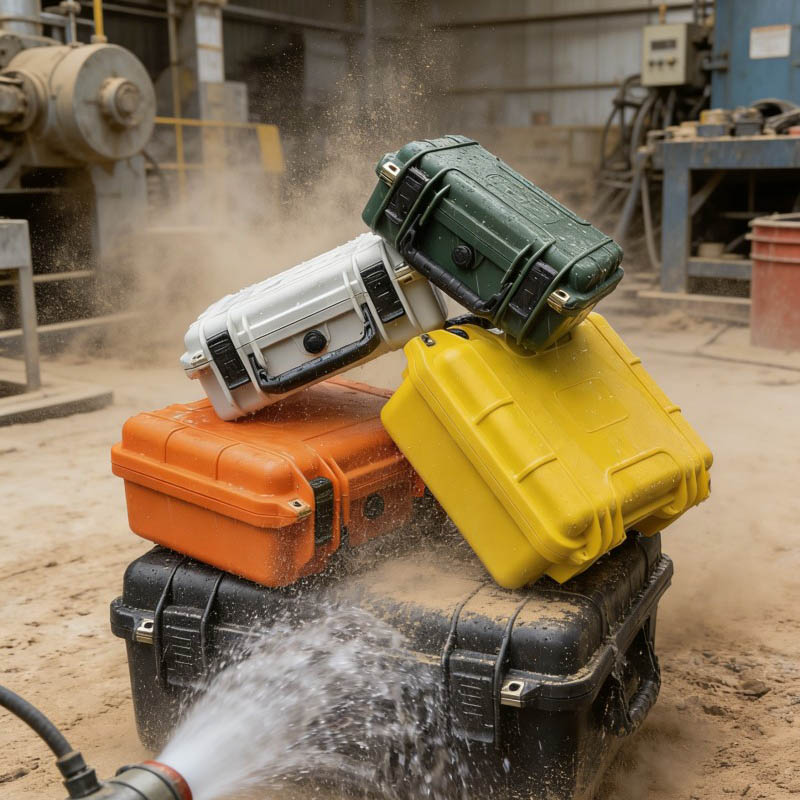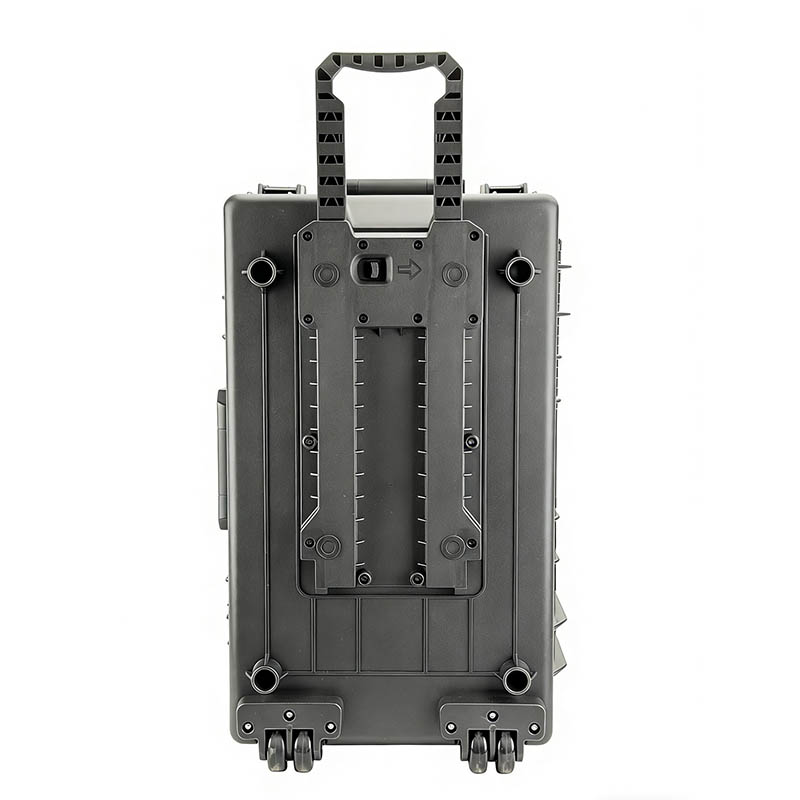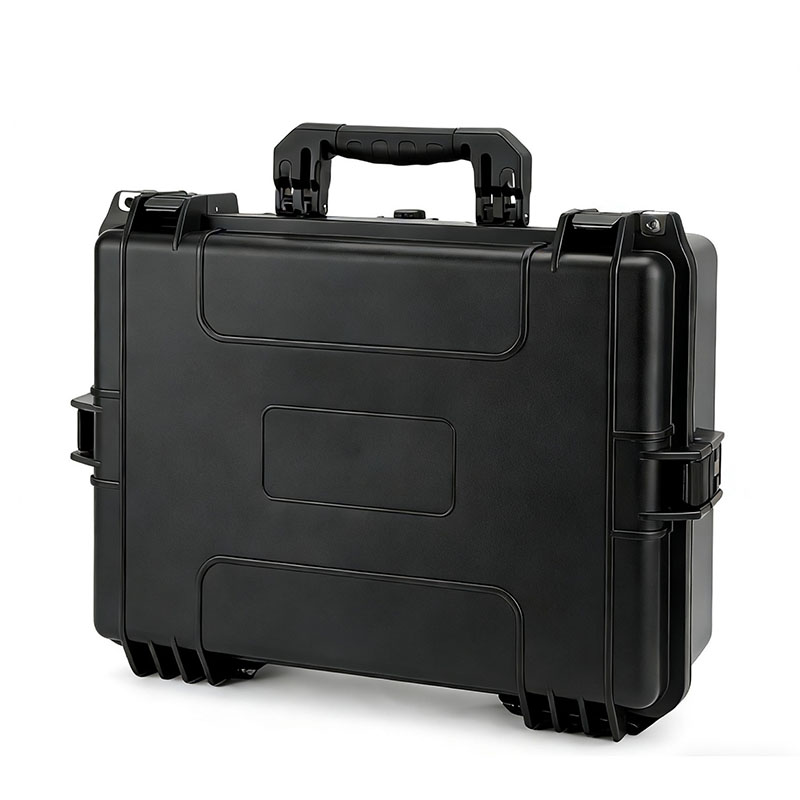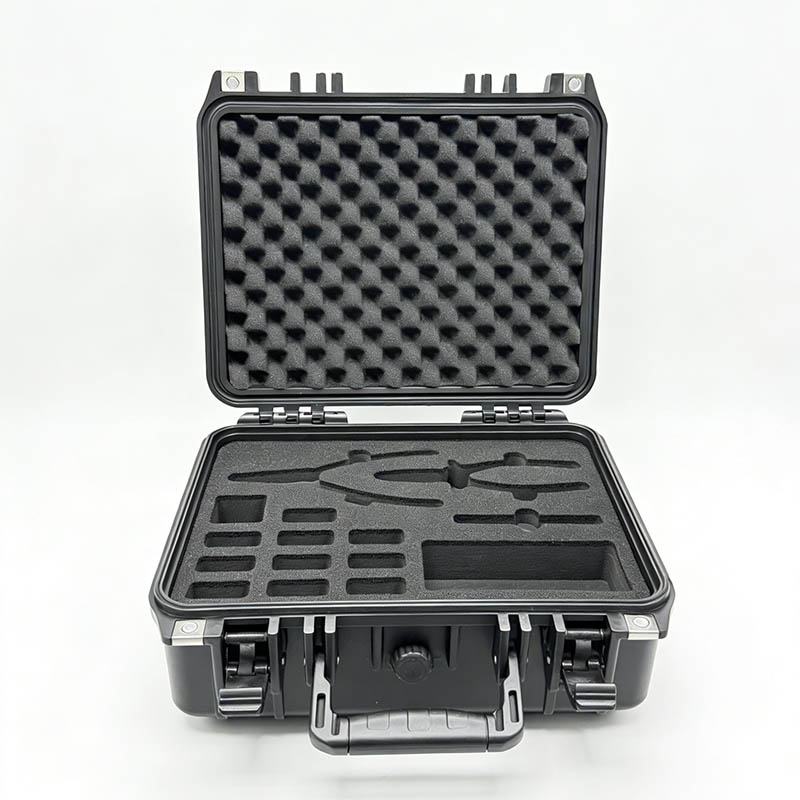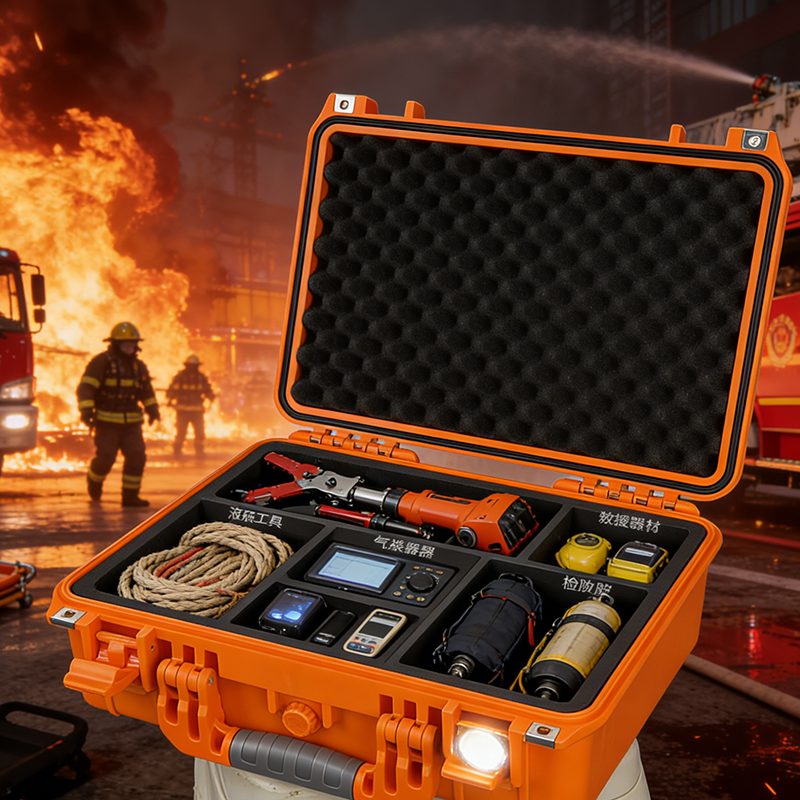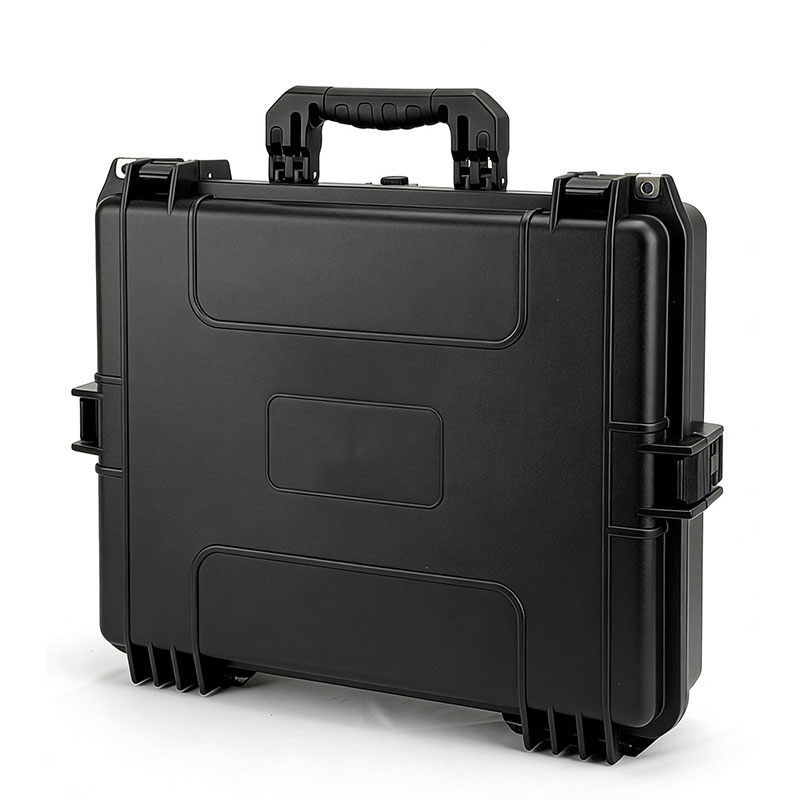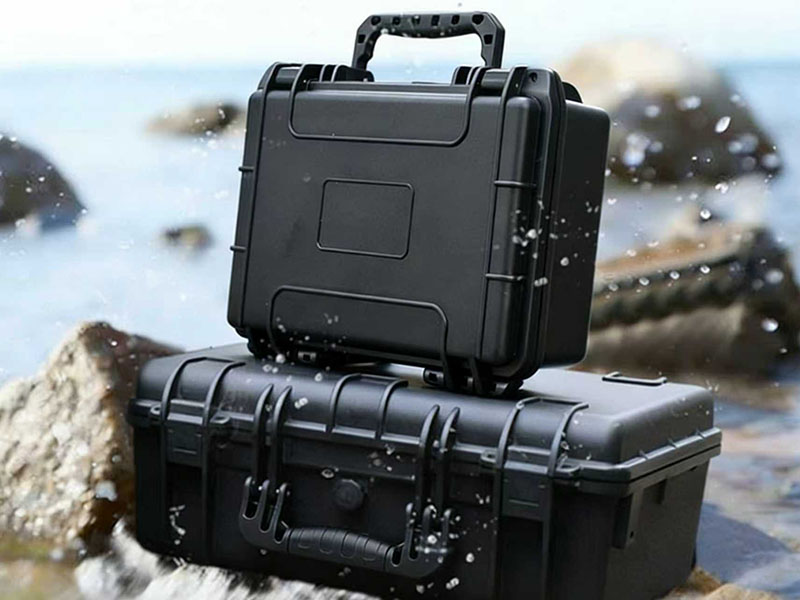

Anyone who works with outdoor gear, precision instruments or industrial parts has likely made this basic mistake when shopping for a protective case: you spend ages comparing IP67 ratings, shell materials and designs, only for the case to arrive and find your equipment won’t fit – or the foam lining is so loose that your gear rattles around the whole trip and barely gets any protection at all.
Buying a protective case is never a “close enough” decision. Getting the right size and the right foam thickness makes all the difference in whether your equipment is actually protected.
The first mistake most people make is misreading the size specifications.
Protective case spec sheets almost always list both external dimensions and internal dimensions, and they serve very different purposes:
· External dimensions: The overall size including shell thickness, latches and handle. Used to calculate stacking space, vehicle fit and packaging volume. Do not use this to judge if your equipment will fit.
· Internal dimensions: The clear length, width and height inside the case – the actual usable storage space. Note that this is the empty case measurement. If you’re adding a foam liner, you need to subtract the foam thickness from this number.
Here’s a common example: You have an instrument that’s 280mm long, and you’re looking at a case with a 300mm internal length. That looks like a comfortable 20mm gap. But if you add 10mm of foam on each side, the usable length drops to 280mm exactly – tight at best, and very difficult to get your equipment in and out. With thicker foam, it simply won’t fit at all.
So the correct way to size a case is: calculate the total size of your equipment plus foam first, then select a case with internal dimensions to match. Don’t work backwards from the case size.
Don’t just measure the main body of your device. Every protruding part counts. This is the number one reason equipment won’t fit.
Follow these four steps for accurate measurement:
① Measure the maximum overall L×W×H of the main body
Measure at the widest, tallest and longest points, not just the flat surfaces. For devices with handles, heat sinks or protruding housings, always measure from the furthest point.
② Add all protruding components
Antennas, knobs, connectors, plugs, cable boots, lens hoods, adjustment dials… every small protruding part adds to the overall footprint. For optical and RF equipment in particular, the main body may be compact, but ports and antennas can add several centimeters.
③ Include space for accessories and cables
Very few people only carry the device itself. Chargers, power cords, data cables, spare batteries, manuals, special tools – if these go in the case too, plan their placement and add their dimensions. We highly recommend a compartmentalized liner, with separate slots for the main unit and accessories. It protects your gear and stops loose parts from knocking into the main device.
④ Leave a small gap for removal
Don’t size it down to the last millimeter. Even with custom foam, we recommend leaving 2–3mm of clearance along the length for finger access. If you’ll be opening and closing the case frequently, add a little more.
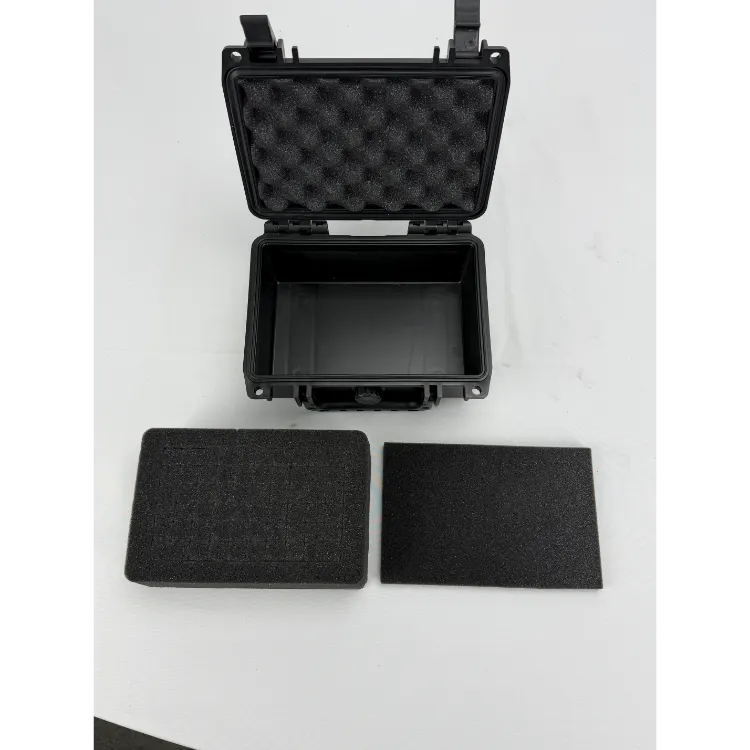
Foam is the heart of the protection, but thicker is not always better. Too much foam wastes space, adds weight and makes equipment harder to remove. Too little, and you don’t get the shock absorption you need.
Based on how fragile your equipment is and how it will be transported, use these guidelines for single-sided foam thickness (the distance from the equipment to the inner wall of the case):
① General tools & durable hardware: 8–10mm per side
For hand tools, metal parts and standard industrial components that can handle minor bumps. This thickness prevents scratches and scuffs without wasting space.
② Electronic instruments & standard industrial equipment: 12–15mm per side
For test instruments, control modules, power supplies and standard cameras with circuit boards and precision components that need protection from transport vibration and occasional drops. This is the most commonly specified thickness. It absorbs most routine transport and handling shock while keeping space efficiency high.
③ Precision optics & high-value fragile equipment: 15–20mm per side
For rifle scopes, night vision devices, camera lenses, sensors, glassware and high-accuracy test instruments – fragile items with high repair costs. This thickness handles rougher transport and accidental drops. Fragile areas can also be locally reinforced with extra foam, such as a thicker buffer around a lens element.
Simple calculation formula: Required internal case length = maximum equipment length + 2 × single-sided foam thickness The same formula applies to width and height.
Important note: These are single-sided thicknesses – the distance from one side of the equipment to the case wall, not the total foam on both sides. This is a very common calculation error that leads to buying a case that’s too small.
Both are foam liners, but the protection level and user experience are worlds apart.
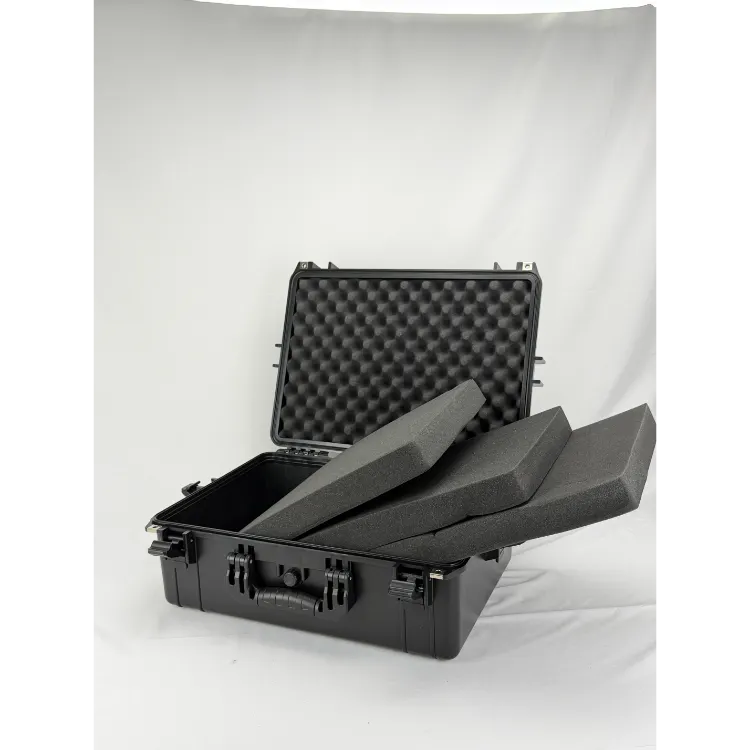
Standard pick-and-pluck foam
Low cost and fast delivery. Good for regularly shaped equipment with low protection requirements. But the downsides are clear: rough cutouts, poor fit, equipment tends to shift, and corners and protruding parts don’t get targeted protection. There are fewer compartments, so accessories can bang against the main unit.
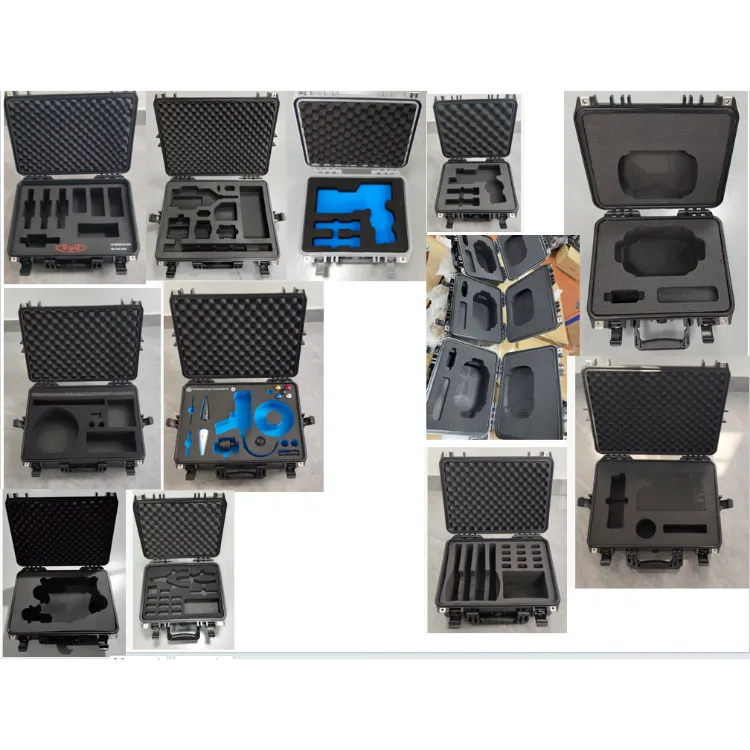
Custom CNC-machined EVA liner
Cut to the exact 3D shape of your equipment. Your gear drops right into place – no shifting, no rubbing, no impact. This is true custom-fit protection.
· Perfect fit: Matches the exact shape of your equipment, even curved surfaces and protruding connectors. Zero movement during transport.
· Compartmentalized storage: Separate dedicated slots for the main unit, accessories, cables and tools. Nothing bumps into anything else, and everything is easy to find.
· Targeted protection: Fragile zones can be individually thickened and chamfered for far better protection than uniform-thickness foam.
· Long service life: High-density EVA resists tearing, crumbling and deformation even with repeated use. It won’t go loose and floppy over time.
When should you choose a custom liner?
· Your equipment has an irregular shape or protruding parts
· You’re protecting high-value, fragile or precision equipment
· You need to carry the main unit plus multiple accessories
· Transport is long-distance, rough or high-vibration
Mistake 1: A bigger case is always safer
Many people figure if they buy larger, they can’t go wrong. But if the case is too big and the foam doesn’t hold the equipment securely, your gear slides and bounces around inside during transport – and can actually end up more damaged. The right size plus a properly fitted liner is what delivers real protection.
Mistake 2: Thicker foam is always better
Shock absorption doesn’t scale linearly with thickness. Beyond a certain point, adding more foam just wastes space without meaningfully improving protection. It also makes equipment harder to remove and makes the case heavier.
Mistake 3: Only looking at the IP rating
An IP67 rating only guarantees water and dust resistance – not shock or impact protection. Many people assume IP67 means full protection, only to find their equipment survived water exposure but broke from a single drop. The case was fine – the equipment inside had no cushioning. Waterproofing and shock protection are two separate things.
If you’re buying a protective case for the first time, follow this process:
1. Make a list: Write down every piece of equipment, accessory and cable that will go inside. Don’t leave anything out.
2. Take measurements: Measure the maximum outer dimensions of each item and note the largest values.
3. Choose your protection level: Pick the IP rating you need based on your operating environment.
4. Calculate required internal size: Decide on foam thickness based on how fragile your equipment is, then calculate the minimum internal case dimensions.
5. Select a case size: Choose the closest standard case size. If no standard size works, consider a custom case.
6. Choose your liner: Decide between generic foam or custom CNC EVA based on your equipment value and fragility.
Protective cases look simple, but the details matter. A few millimeters difference in size or foam thickness can completely change how well your equipment is protected.
If you’re not sure what size case you need, how much foam to specify, or which liner solution is right for your equipment, send us your dimensions, application and operating conditions. As a manufacturer with over 10 years of experience in protective cases, WEISHUO can match you with the best standard case solution, or design a fully custom case and EVA liner built exactly around your gear. We’ll help you find a solution that actually protects your equipment.