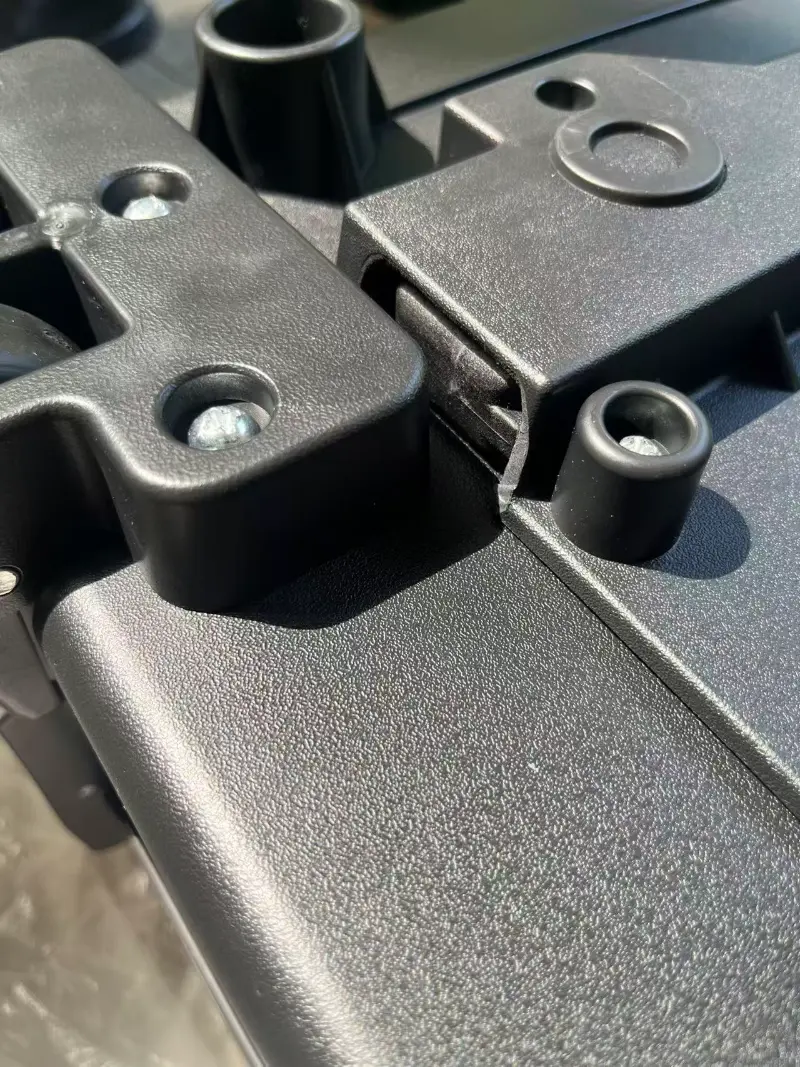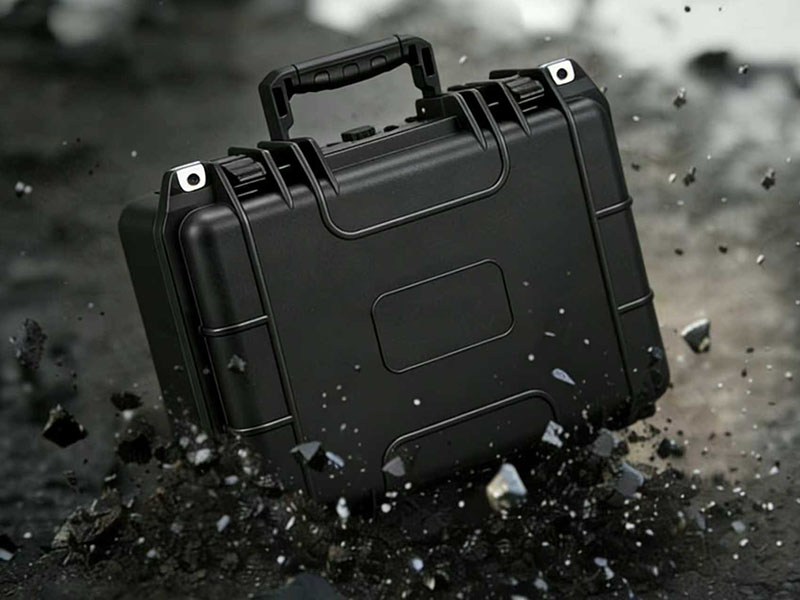

Handheld hard cases have become an essential solution for protecting valuable equipment, tools, electronics, medical devices, cameras, testing instruments, and sensitive accessories during transportation and storage. Whether you are a professional technician, outdoor enthusiast, photographer, engineer, or equipment supplier, selecting the right handheld hard case can significantly reduce the risk of damage caused by impact, moisture, dust, and harsh environmental conditions.
Many buyers face common challenges such as inadequate protection, poor durability, uncomfortable carrying experience, or limited customization options. This guide explains how to identify the ideal handheld hard case, what features matter most, and how to ensure long-term protection for your valuable assets.
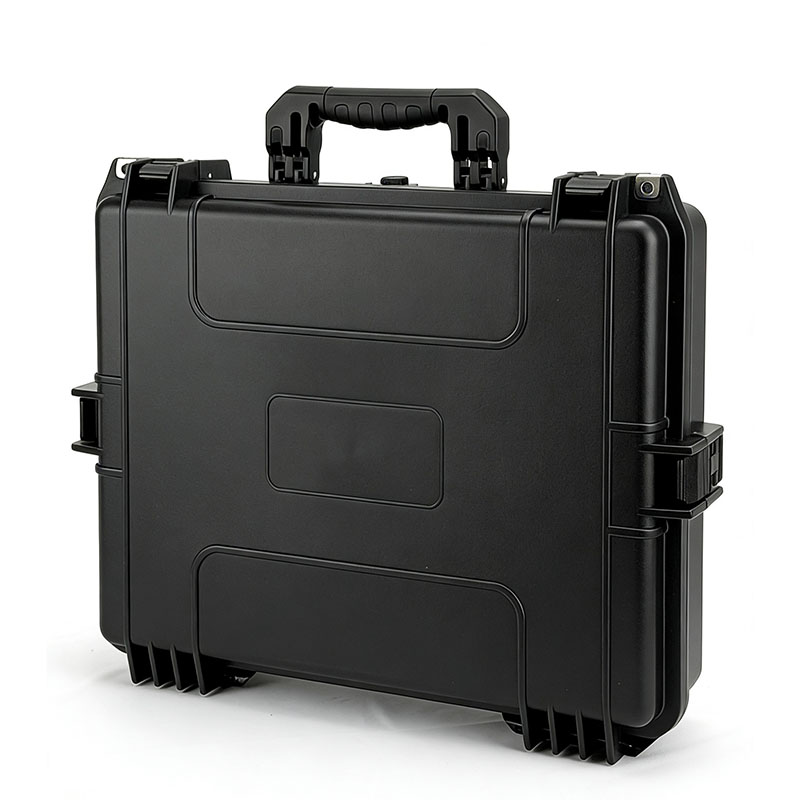
A high-quality handheld hard case provides reliable protection against shocks, drops, water exposure, dust contamination, and environmental hazards. The right case should balance durability, portability, storage efficiency, and customization. This article explores critical selection factors, materials, design considerations, industry applications, maintenance practices, and frequently asked questions to help buyers make informed decisions.
Equipment damage can result in costly repairs, operational downtime, and replacement expenses. Traditional bags and soft cases often fail to provide sufficient protection when equipment is exposed to impacts, vibrations, or challenging environments.
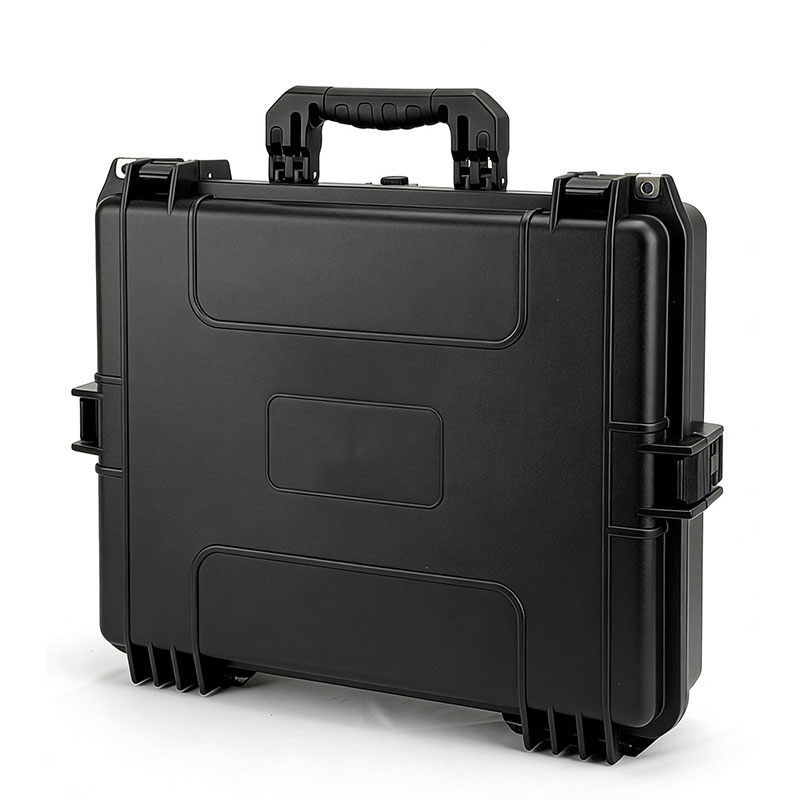
Handheld hard cases are specifically engineered to create a protective barrier around valuable contents. Their rigid shell construction helps absorb and distribute impact forces while maintaining structural integrity during transport.
Major benefits include:
Not all hard cases offer the same level of protection. Understanding the most important features can help prevent costly purchasing mistakes.
| Feature | Purpose | Benefit |
|---|---|---|
| Impact-Resistant Shell | Protects against drops and collisions | Reduces equipment damage |
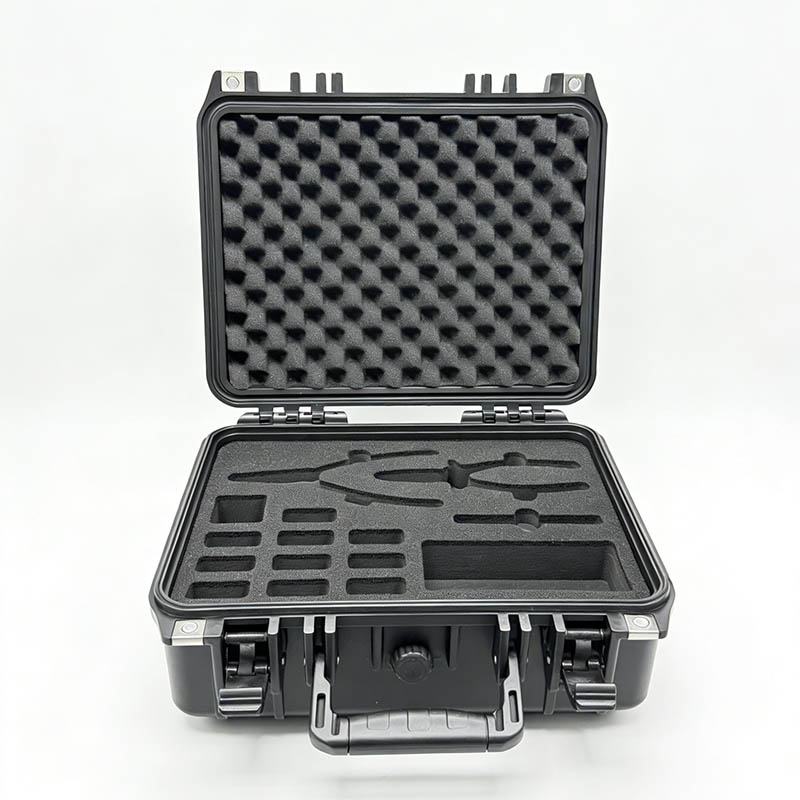
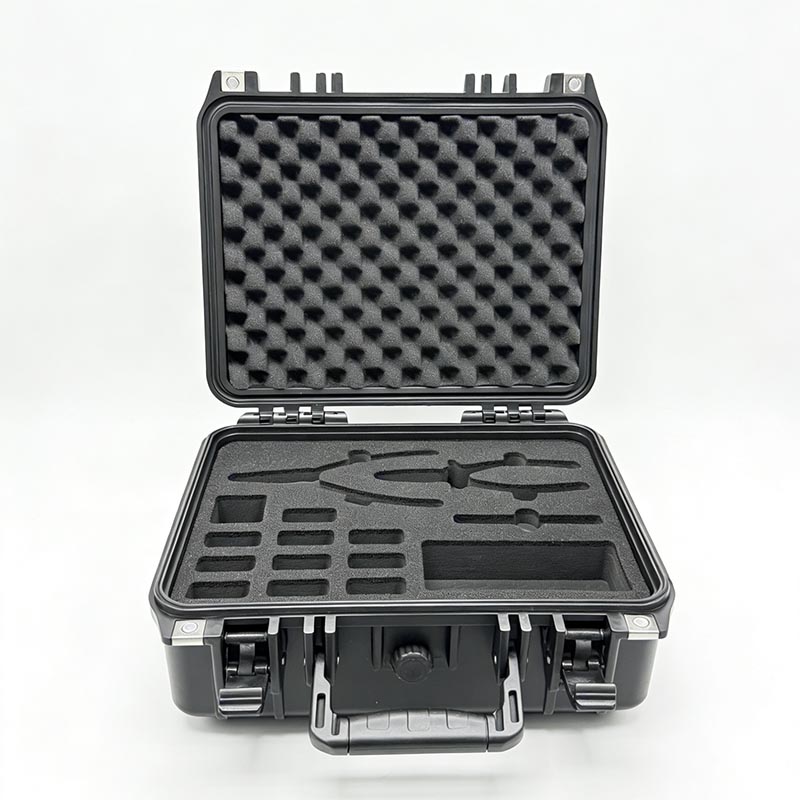
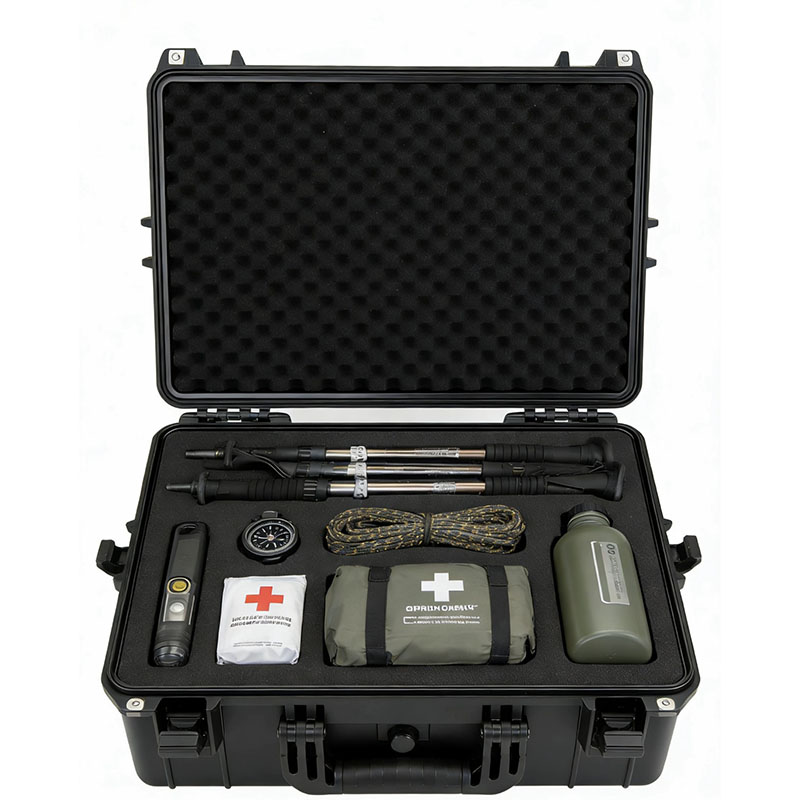
| Foam Interior | Secures contents during transport | Prevents movement and scratches |
| Waterproof Seal | Blocks moisture entry | Protects electronics and sensitive items |
| Pressure Valve | Balances internal pressure | Useful during air travel |
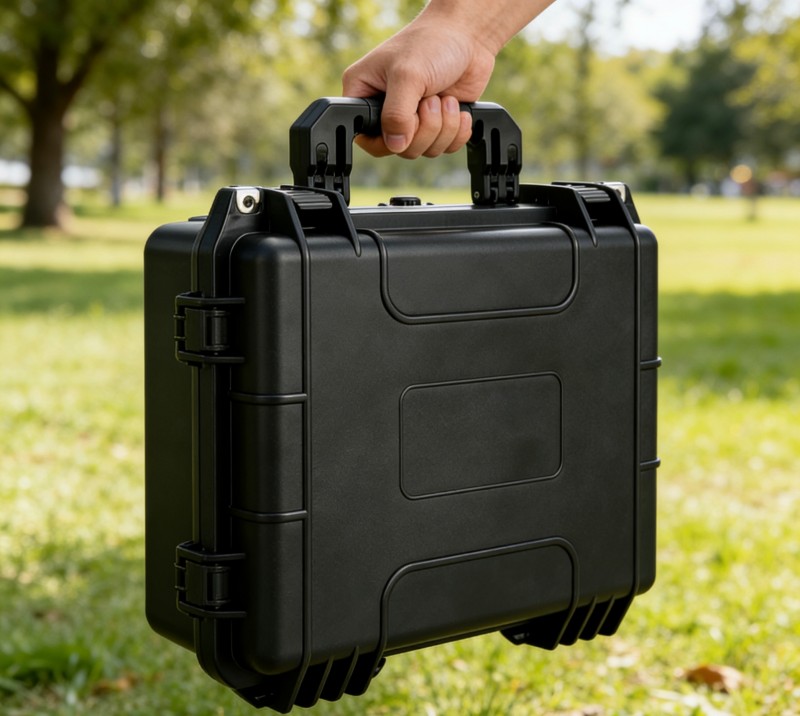
| Ergonomic Handle | Improves carrying comfort | Reduces user fatigue |
| Secure Latches | Keeps case closed | Enhances safety during transport |
| Lock Compatibility | Provides security | Prevents unauthorized access |
When evaluating products, buyers should prioritize these features according to their operational requirements.
Material selection directly influences durability, weight, and performance.
| Material | Advantages | Applications |
|---|---|---|
| PP (Polypropylene) | Lightweight, impact-resistant, cost-effective | General equipment protection |
| ABS | Strong surface hardness | Electronic devices |
| HDPE | Excellent durability | Industrial environments |
| Composite Materials | Superior strength | Military and aerospace equipment |
Polypropylene remains one of the most popular choices because it combines durability with portability, making it suitable for a broad range of industries.
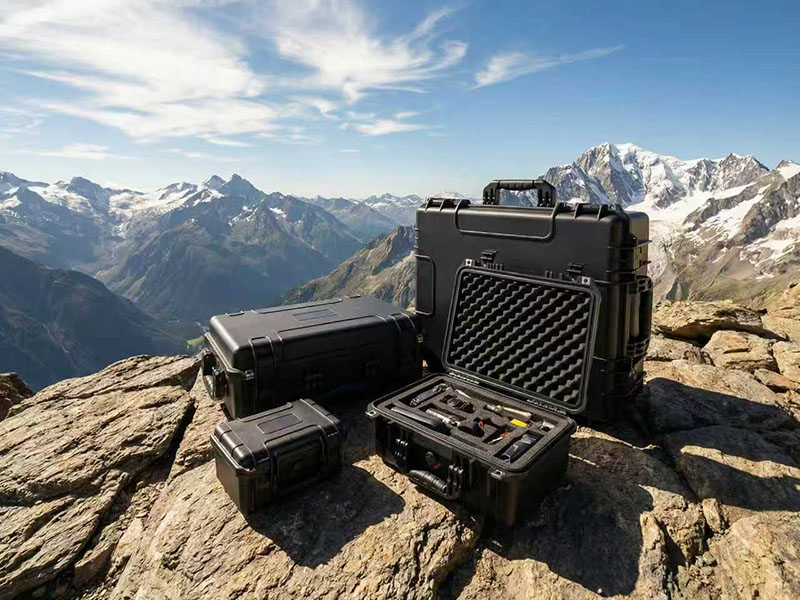
Handheld hard cases serve numerous sectors where equipment protection is critical.
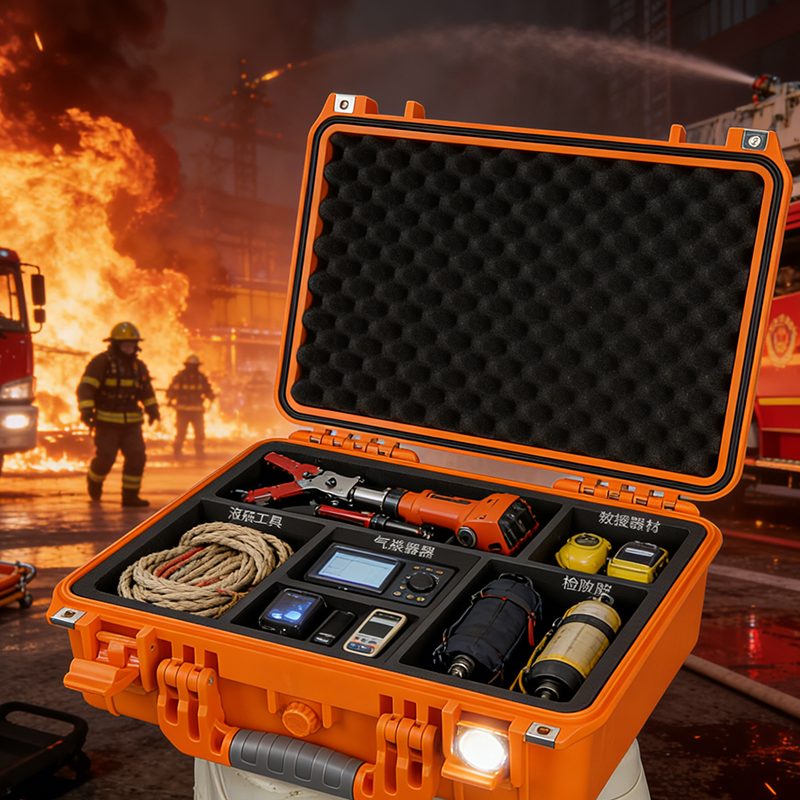
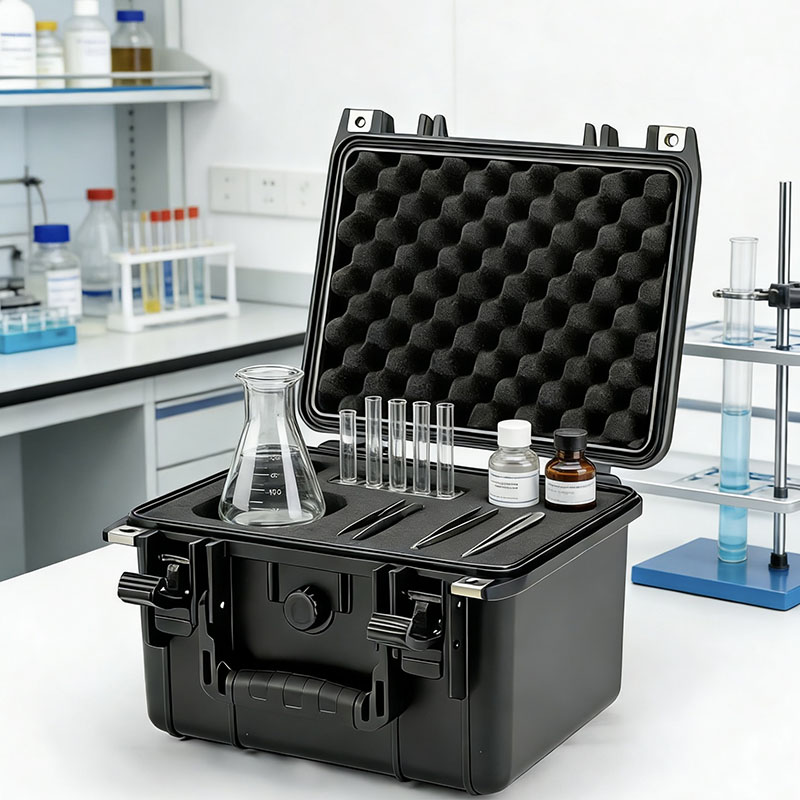
Each industry may require specialized foam inserts and custom internal configurations to maximize protection.
Choosing the ideal case requires a systematic evaluation process.
A properly selected handheld hard case can significantly extend equipment life while reducing maintenance and replacement costs.
Many buyers unintentionally compromise protection by overlooking important details.
Avoiding these mistakes helps maximize return on investment and equipment safety.
Even the most durable handheld hard case requires periodic maintenance.
Routine maintenance ensures consistent performance and extends service life.
Q1: What is the primary advantage of a handheld hard case?
The main advantage is superior protection against impacts, moisture, dust, and environmental hazards while maintaining portability.
Q2: Are handheld hard cases waterproof?
Many premium models include waterproof seals and pressure equalization valves, though specifications vary by product.
Q3: Can foam interiors be customized?
Yes. Custom-cut foam inserts can be designed to securely fit specific equipment and accessories.
Q4: Which industries commonly use handheld hard cases?
Photography, medical, industrial, military, electronics, aerospace, and outdoor recreation sectors all rely heavily on hard cases.
Q5: How long does a quality handheld hard case last?
With proper maintenance, a high-quality hard case can provide reliable service for many years, even in demanding environments.
Q6: Why is custom foam important?
Custom foam minimizes movement during transport, reducing the likelihood of impact damage and improving organization.
Selecting the right handheld hard case is an important investment in equipment protection, operational efficiency, and long-term cost savings. By focusing on material quality, impact resistance, environmental protection, portability, and interior customization, businesses and professionals can ensure their valuable assets remain secure under demanding conditions.
As an experienced manufacturer in protective case solutions, Ningbo Weishuo Molding and Plastic Products Co., Ltd provides durable and customizable handheld hard cases designed to meet diverse industry requirements. Whether you need reliable protection for electronics, instruments, tools, or specialized equipment, our team can help you find the ideal solution. Contact us today to discuss your project requirements and discover how our customized handheld hard cases can enhance the safety and performance of your equipment.
-