
Article Summary: A reliable Gun Protective Box is more than a container for moving firearms from one location to another. It is a structured protection system designed to reduce exposure to impact, moisture, dust, pressure, and unauthorized access while keeping the contents organized. For legally authorized firearm owners, shooting facilities, security organizations, law enforcement agencies, and other qualified users, selecting the right protective box can make storage and transportation more controlled and dependable. This guide explains the main design considerations, material choices, interior protection, sealing performance, locking features, customization options, and purchasing criteria that can help users choose a suitable solution.
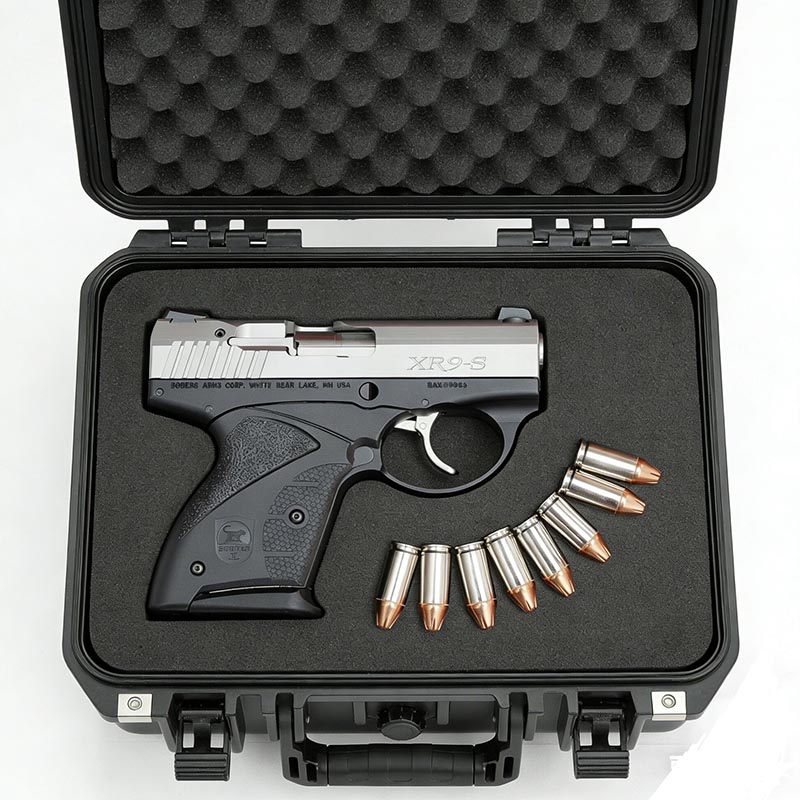
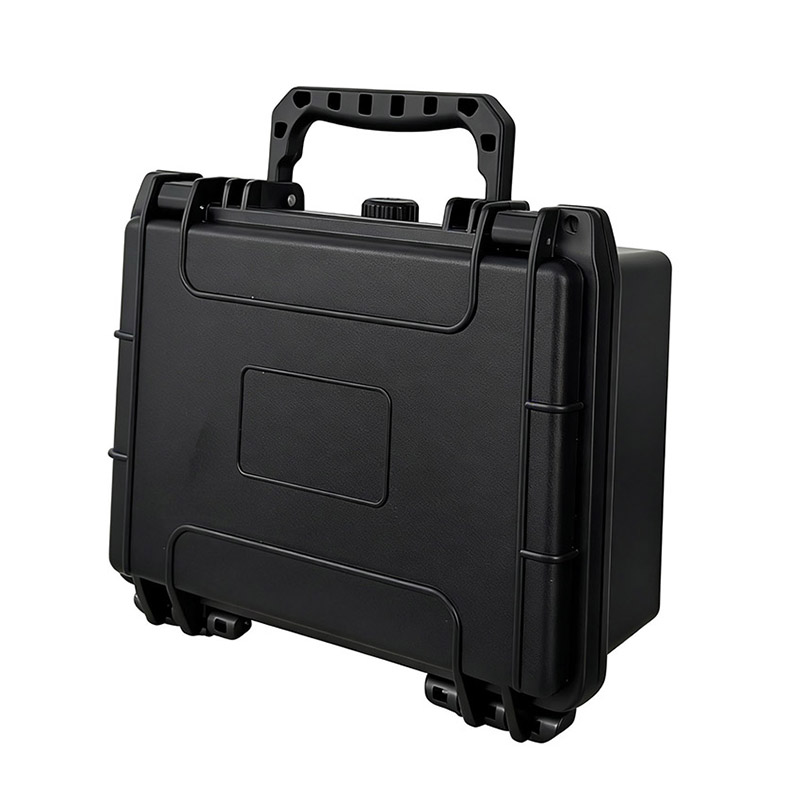
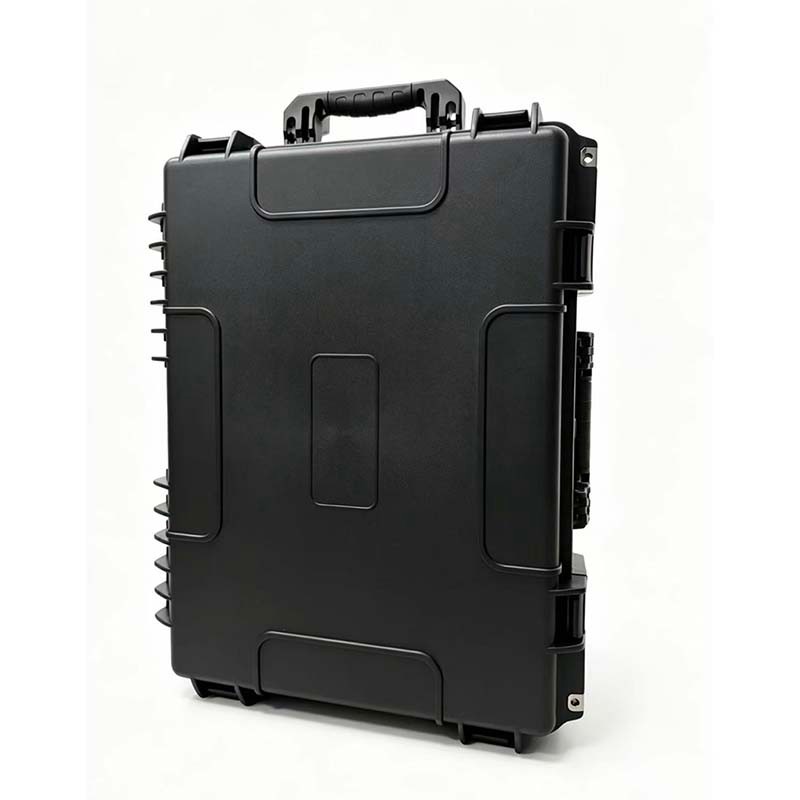
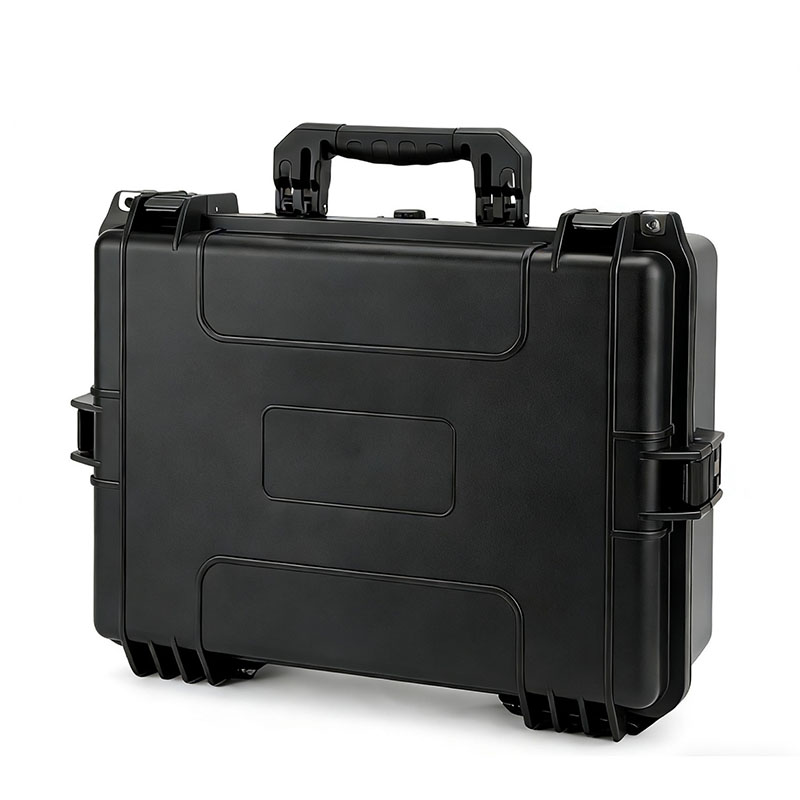
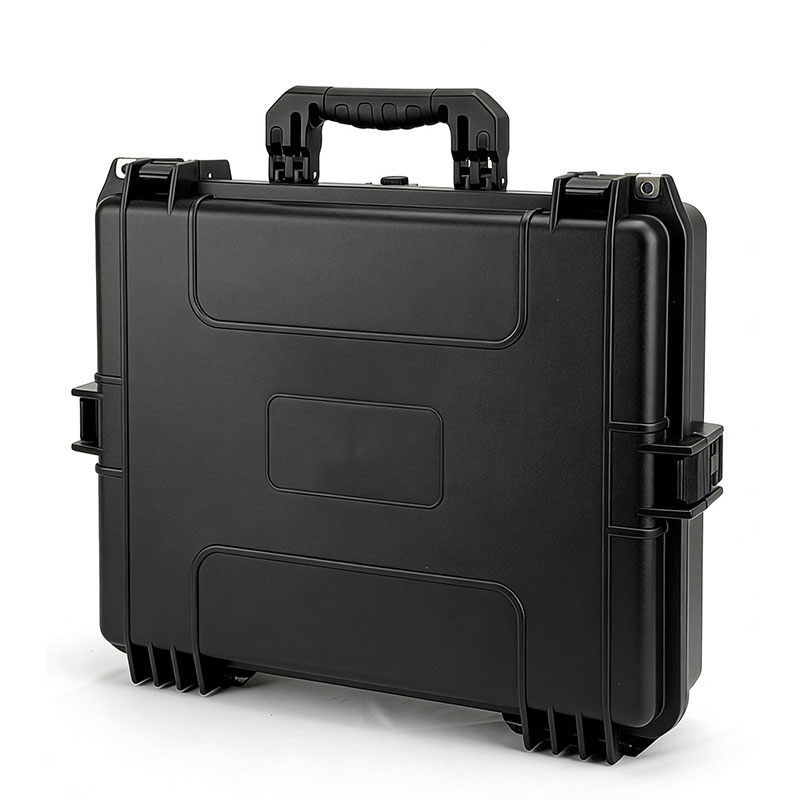
A Gun Protective Box is a rigid protective enclosure designed to provide controlled storage and transportation for firearms and associated equipment. Unlike a soft bag, a rigid protective box creates a physical barrier around its contents and can incorporate impact-resistant construction, protective foam, sealing systems, reinforced hardware, and locking provisions.
The exact requirements depend on the firearm, accessories, transportation environment, storage conditions, and applicable laws. A handgun used for authorized training, for example, may require a substantially different internal configuration from a longer firearm with optics and accessories.
For this reason, choosing a protective box should not be based only on external dimensions or appearance. The most useful design considers the entire protection chain: outer shell, hinges, latches, seal, interior retention, carrying method, and security provisions.
Ningbo Weishuo Molding and Plastic Products Co., Ltd. develops protective case solutions for different equipment applications, including firearm protective cases intended for legally authorized users and organizations. Its approach combines rigid plastic construction with application-specific interior protection and configurable case designs.
Firearms and their associated components can contain precision-fitted mechanical parts and accessories that may be affected by impact, contamination, moisture, or poor handling. A suitable protective box helps reduce these risks during approved storage and transportation.
Several common problems make a purpose-designed case valuable:
A protective case therefore needs to balance protection, organization, portability, and security rather than maximizing only one characteristic.
The outer shell is the first line of defense. A well-designed rigid case should maintain sufficient structural strength while remaining practical to handle.
Engineering plastics are commonly considered for protective cases because they can provide a useful combination of impact resistance, relatively low weight, corrosion resistance, and manufacturing flexibility. Reinforced areas can be incorporated around components that experience repeated mechanical loading, such as hinges, handles, and latch points.
A robust case design generally considers the following structural elements:
Structural strength should also be evaluated together with the internal cushioning system. Even a strong shell cannot fully protect sensitive contents if the equipment can move freely inside it.
Material selection affects the service life, weight, durability, and environmental performance of a Gun Protective Box. There is no single material that is ideal for every application, so manufacturers normally select materials according to the expected operating environment.
For many rigid protective cases, reinforced polypropylene and other engineering plastics are attractive options because they offer a practical balance between toughness and weight. Metal reinforcement can also be used at selected high-load areas when additional structural support is required.
| Component | Typical Material Consideration | Primary Purpose |
|---|---|---|
| Outer shell | Engineering plastic | Impact and environmental protection |
| Interior padding | PU or cross-linked polyethylene foam | Cushioning and movement reduction |
| Hinges and reinforcement | Metal or reinforced components | Mechanical durability |
| Seal | Elastomeric sealing material | Moisture and dust resistance |
| Handle | Reinforced polymer or metal-supported construction | Portable handling |
The right combination depends on the intended application, required dimensions, expected environmental conditions, transportation method, and applicable regulatory requirements.
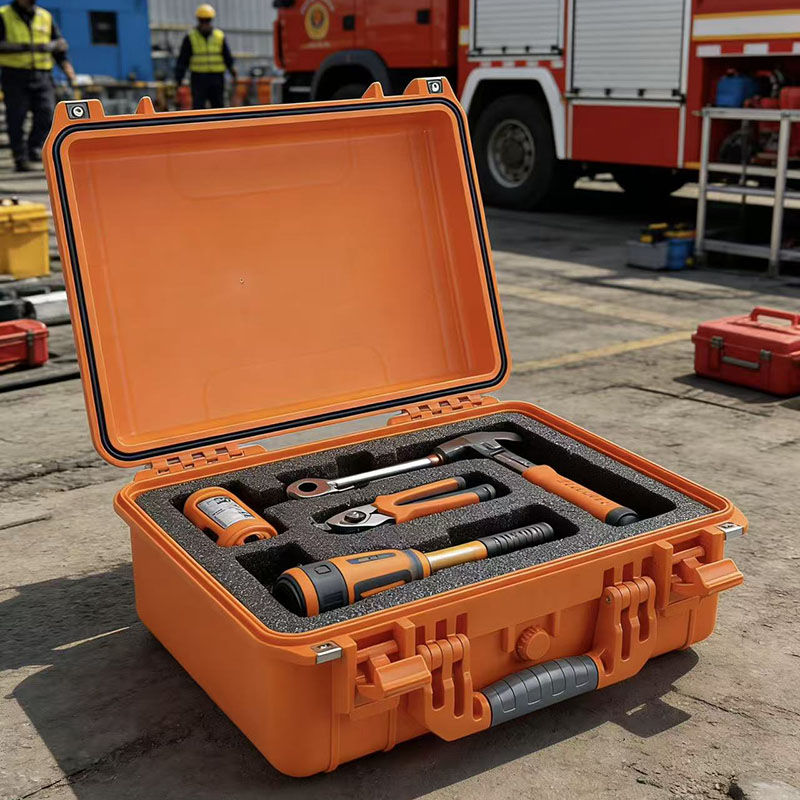
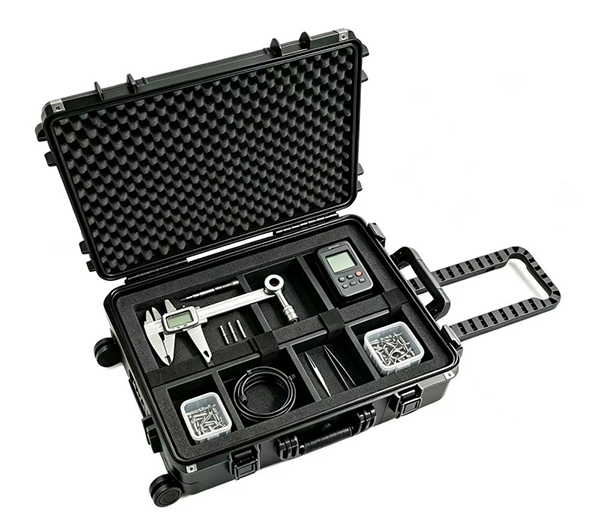
One of the most important differences between a generic storage container and a professional protective case is the interior. A rigid shell provides an external barrier, but the internal cushioning system helps control movement and absorb shocks.
Foam inserts can be shaped around the intended equipment configuration. CNC cutting technology allows manufacturers to produce accurately defined cavities based on approved drawings, measurements, or physical samples. This can create a more stable fit than simply filling an oversized case with loose padding.
A carefully planned interior can provide:
Interior design should also leave enough clearance to prevent excessive compression or unnecessary contact between components. For organizations managing multiple cases, standardized foam layouts can make equipment identification and inventory control easier.
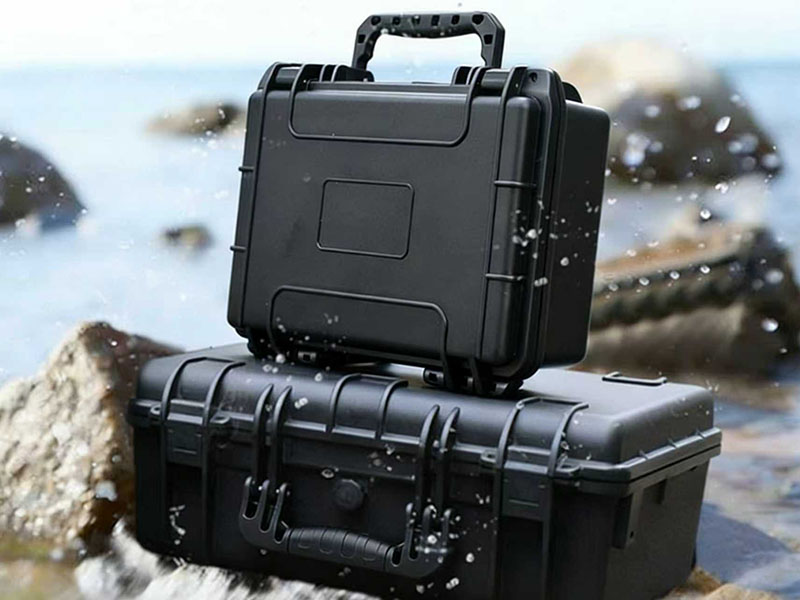
Transportation can expose equipment to conditions that are difficult to control. Rain, humidity, dust, sand, mud, and temperature changes can all create challenges for protective storage.
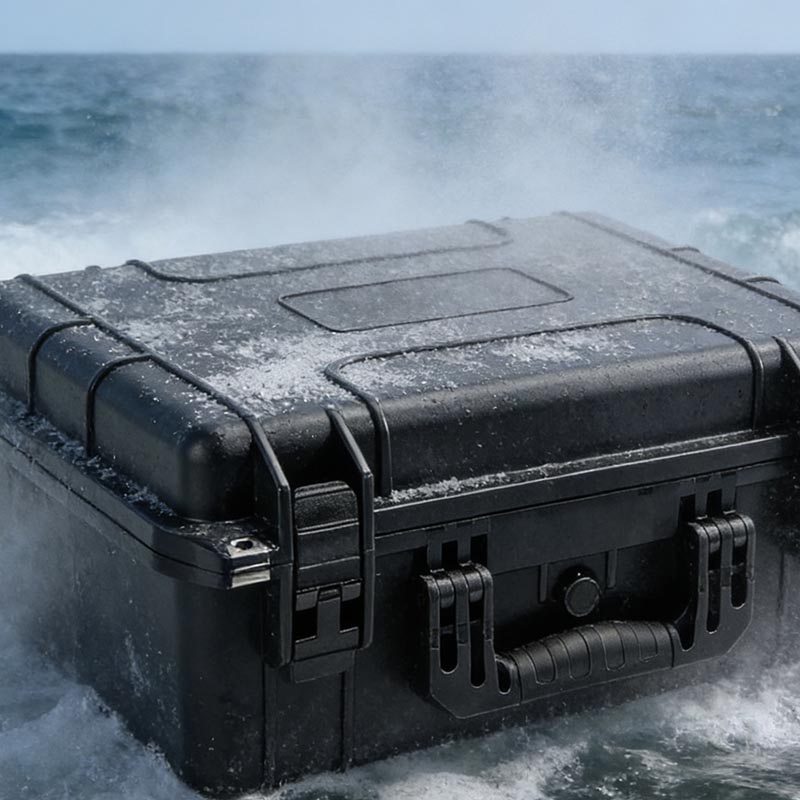
A sealed protective box can help create a more controlled environment. Depending on the product design and verified testing, water- and dust-resistant construction can be particularly valuable for outdoor operations and transportation.
When a case is specified with an IP67-level protection design, for example, the enclosure is engineered to provide a high degree of protection against dust and temporary water immersion under defined test conditions. However, users should always verify the exact certification, test method, and limitations of the specific model rather than assuming that every case has identical performance.
Environmental protection is especially important when optical accessories, metal components, or other precision equipment are stored together. Reducing exposure to moisture and contaminants can help preserve equipment condition over time.
Physical security is an essential consideration whenever a protective case is used to store or transport firearms. A case should be selected and used according to the laws and regulations applicable to the user's location and circumstances.
Depending on the design, a protective case may include provisions for padlocks, integrated locking mechanisms, or other approved security arrangements. Reinforced latch and hinge areas can complement the locking system by improving the overall mechanical integrity of the enclosure.
It is important to distinguish between a protective enclosure and a complete security system. A lockable case is one component of responsible firearm management, not a substitute for applicable storage procedures, access controls, or legal requirements.
For organizations, additional identification features such as serial-number labels, unit markings, or other asset-management identifiers can also help establish clear ownership and simplify inventory procedures.
Choosing a Gun Protective Box should begin with the application rather than the product's appearance. Before purchasing, users should define what needs to be protected, where the case will be used, and what environmental and security requirements apply.
A practical selection checklist includes:
Standard cases are suitable for many applications, but customized protective boxes can provide a better fit when equipment dimensions or operational requirements are unusual.
Customization may involve the external dimensions, foam layout, internal compartments, color, identification markings, handle arrangement, locking provisions, or other manufacturing details.
For example, a procurement team managing multiple authorized users may prefer standardized cases with consistent identification markings. A specialized organization may instead prioritize a custom interior that separates the primary equipment from approved accessories and documentation.
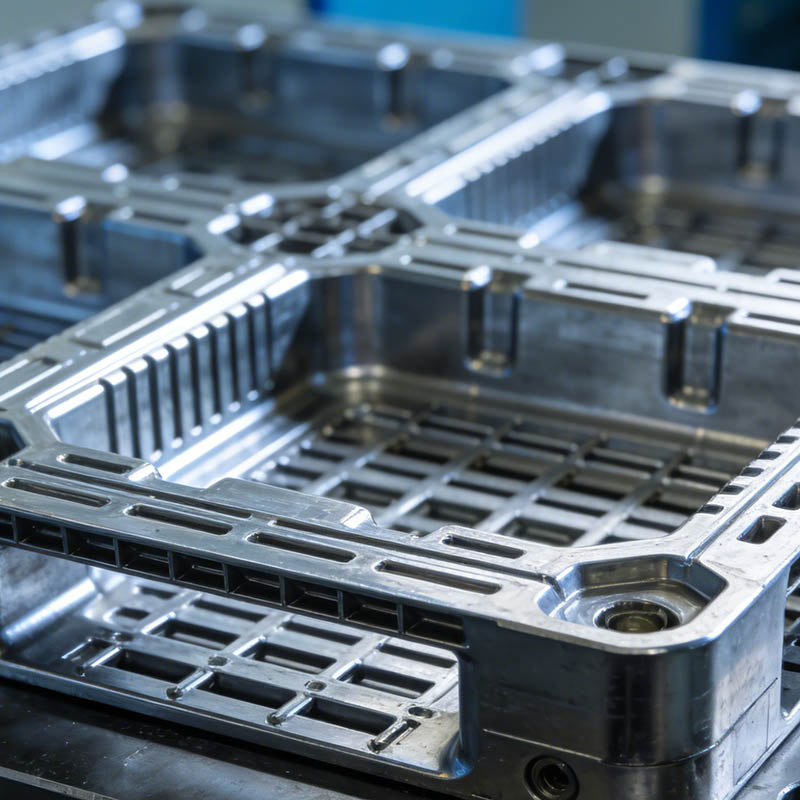
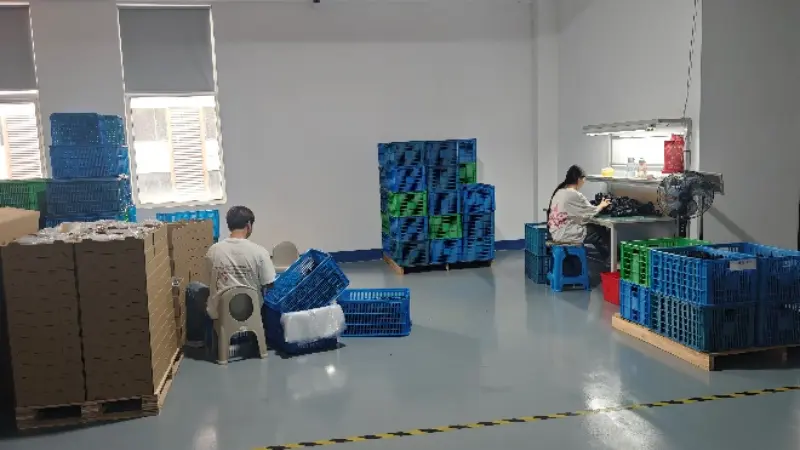
Ningbo Weishuo Molding and Plastic Products Co., Ltd. provides protective case manufacturing and customization capabilities for different equipment applications. The company can develop internal protection based on customer-provided dimensional information or samples, helping customers move from a general case concept toward a more application-specific enclosure.
Even a durable protective case requires routine inspection. Maintenance helps identify problems before they reduce protection performance.
Users should also follow the firearm manufacturer's instructions and all applicable laws concerning inspection, storage, handling, and transportation.
| Feature | Customer Benefit | What to Check |
|---|---|---|
| Rigid construction | Better protection against external impacts | Shell material and structural reinforcement |
| Custom foam | Improved positioning and cushioning | Foam type, thickness, density, and layout |
| Sealing system | Reduced exposure to moisture and dust | Seal design and verified protection rating |
| Reinforced hardware | Greater durability during repeated use | Hinge, latch, and attachment construction |
| Locking provision | Additional physical access control | Compatibility with applicable storage rules |
| Custom identification | Easier asset management | Labels, markings, colors, or numbering |
| Portable design | More convenient authorized transportation | Weight, handle design, and dimensions |
The primary purpose is to provide a rigid, organized enclosure that helps protect firearms and approved accessories from impact, contamination, moisture, and uncontrolled movement while supporting secure storage and transportation in accordance with applicable laws.
For applications requiring stronger structural protection, environmental sealing, or custom internal cushioning, a rigid case generally offers advantages over a soft bag. The best choice depends on the equipment, transportation environment, security requirements, and applicable regulations.
Yes. Many professional protective case manufacturers can customize foam inserts and internal compartments. CNC-cut foam can be designed around specific dimensions to provide controlled positioning and reduce unnecessary movement.
Some protective cases are designed with sealing systems that provide substantial resistance to water and dust. However, users should verify the actual protection rating and test conditions of the selected model rather than assuming that all rigid cases are waterproof.
Engineering plastics such as reinforced polypropylene can be used for the outer shell, while polyurethane or cross-linked polyethylene foam can be used for interior cushioning. Metal reinforcement may be incorporated into high-load areas such as hinges and latch structures.
Yes. Custom dimensions, internal layouts, colors, markings, labels, and other specifications may be developed for organizations that need standardized equipment management. The exact options depend on the manufacturer's production capabilities.
No. A protective case is a physical storage and transportation product, not a replacement for local laws, regulations, licensing conditions, or required access-control procedures. Users must determine and follow the rules applicable to their jurisdiction and situation.
A well-designed Gun Protective Box can address several common challenges associated with responsible firearm storage and transportation. The value of the case comes from the complete system: a durable outer shell, appropriate interior cushioning, effective sealing, reliable hardware, suitable locking provisions, and a configuration that matches the equipment.
For buyers, the most important step is to define the actual application before selecting a case. Consider dimensions, environmental exposure, impact risks, interior organization, portability, security requirements, and customization needs. This approach makes it easier to avoid buying a case that is either unnecessarily large or insufficiently protective.
Ningbo Weishuo Molding and Plastic Products Co., Ltd. focuses on protective case manufacturing and customized enclosure solutions for professional applications. By combining engineering plastic construction, protective foam configurations, reinforced components, and application-oriented design, the company can support customers looking for dependable protective case solutions.
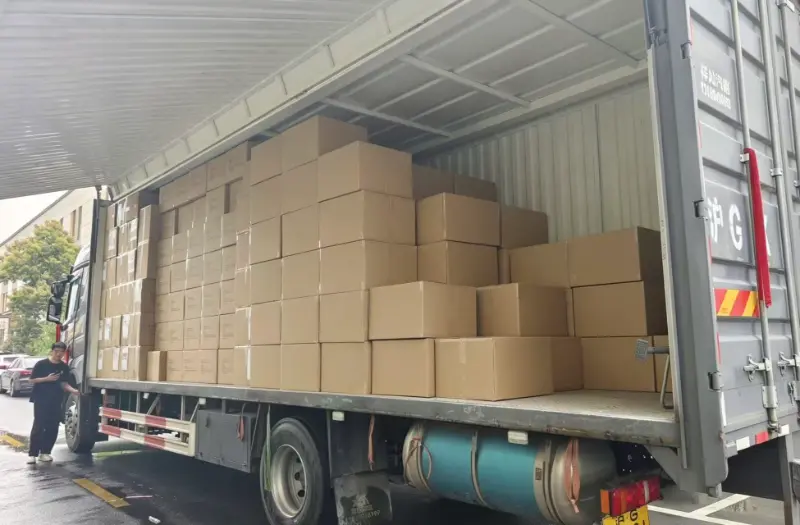
Looking for a Gun Protective Box designed around your specific requirements and intended for legally authorized use? Contact Ningbo Weishuo Molding and Plastic Products Co., Ltd. to discuss dimensions, interior configuration, materials, protection requirements, customization options, and bulk purchasing needs. Contact us today to develop a protective case solution that fits your application.